Namkha as a gift

You love Namkha. You know how beneficial this precious practice is. You are having one made and you’d also love to give it to your near and dear ones. No wonder: you’re one of those generous souls who want everyone they care for to have the best. But have you thought whether THEY’d appreciate it?

You know that Namkha is not a regular object, a pretty ornament or dead “amulet” you can buy at a market. Because it’s a sacred practice, its power depends on its treatment. There are accounts of Buddha’s relics multiplying when treated with devotion. Similarly, sacred objects live and grow powerful with faith and respectful treatment.

Namkha is an extremely personal, sacred object. It is a representation of your energetic constitution, your energy mind-body. People have expressed how intimate namkha is to them. Some feel that showing off their namkha is like revealing their nakedness. It’s personal, intimate, and for some even private.

If you feel your loved one is in dire need of a namkha, you should consider gifting it if you know they will have a similar attitude. At the minimum, they should have a natural tendency to respect it and be able to give it basic care, like handling and keeping it with respect. The beauty of the namkha practice is that it will benefit even without engagement, i.e. just by keeping it. So it is in fact perfect for people who don’t have an active spiritual practice. They will benefit just by having a namkha made.

If you are unsure, we can always talk about it. I am not stopping anyone from owning a namkha. In fact, it’s my commitment to make Namkha as widely available as possible. This practice was conceived and taught by the Buddhist master Chogyal Namkhai Norbu to benefit today’s world, and it is my promise to him to carry on and spread his vision. So my commitment is both to you and the sacred practice. My attitude has always been to thrive to get a namkha out to anyone who’s asked for one. If you’re asking on someone’s behalf, I must trust your own discernment.

Thank you for considering this.

If you you’d like to gift a namkha, please send your request

What makes Namkha special from other amulets?

Q: I perceive you explain namkha is a sort of amulet but at the same time different amulet then most – did I get that correct? Can you tell me more about why namkha is special?

A: You could say namkha is an amulet because it has a protective function.

There are many different kinds of amulets in the world. Some originate in ancient cultures, like the American Indian dream catcher, for example. These days, dream catcher is sold to tourists as amulet, but it’s just a souvenir without any function.

Namkha, on the other hand, has a living lineage of power. That power is what makes a namkha alive when it’s first constructed. Without that, a namkha would just be a decoration without any function.

Namkha is an ancient tradition from Tibet, originating in indigenous Bon religion, but this particular Namkha tradition is a Buddhist practice. There is a sadhana text with meditation and mantra recitation that need to be done by a practitioner who has received the transmission from a qualified master. I received the transmission from the great Tibetan master Namkhai Norbu Rinpoche.

So, when you have a correctly constructed namkha, which has been authentically empowered by ritual, it is a sacred, functional amulet with a specific and real function.

Read about Namkha and the lineage

How Namkha Heals

The Healing Power of Namkha: Going Beyond Physical Symptoms

In the realm of Buddhist healing, we recognize that physical suffering is a result of karmic ripening. Every aspect of our existence and all that we experience are interconnected through cause and effect, known as karma.

The law of karma is a fundamental truth: our present experiences are the outcomes of causes we have set in motion, even spanning across lifetimes. The seeds of karma lie within the subtle mind and when conditions align, they solidify into the five elements and further into matter. This continuous process manifests as our physical bodies, complete with their unique features and imperfections. This intricate cycle is unfolding every second.

Namkha operates on the energetic level, just before matter takes shape and our energetic constitution is affected. Similarly, any Buddhist practice seeks to transform karma. Rather than healing the physical body itself, which represents the visible manifestations and symptoms, Namkha addresses the underlying causes before they materialize.

The direct understanding of the illness’s cause and the extent of karma to be purified lies solely within the enlightened mind. As ordinary beings, we cannot perceive this until we attain Buddhahood. Nevertheless, we trust in the efficacy of Buddhist practices based on the unwavering truth of cause and effect, as taught by the Buddhas.

ASTROLOGICAL REMEDY

Astrological calculations based on your birth date hold significant insights, as your karma determined the specific circumstances of your birth, including the arrangement of the elements. For instance, an astrological pattern may reveal the presence of an autoimmune disease. While Western medicine excels in treating physical injuries, it often falls short in addressing autoimmune conditions beyond symptom management. This is because the root cause of autoimmunity lies in the energetic realm, which allopathic medicine does not fully encompass.

Namkha serves to harmonize the conflicting elements within your energetic pattern that contribute to the autoimmune reactions. By working on the energetic constitution, Namkha facilitates healing at the core level of the illness, on the energy plane.

The impact of Namkha extends beyond the physical realm. Our mental-intellectual faculties, fortune, and life force can either be in harmony or disharmony. Elemental conflicts within these aspects can lead to suffering, ranging from discomfort and worry to severe mental illness. Namkha’s purpose is to restore harmony and promote healing across all facets of our lives. Additionally, in cases where the destructive potential has not yet manifested, Namkha serves as a preventive measure.

If you are interested in delving deeper into the practical aspects of how Namkha is calculated and how its harmonizing function is achieved, I invite you to explore my additional resources.

By embracing the healing power of Namkha, we venture beyond the superficial and address the profound interconnectedness of our being, fostering a holistic path to well-being and harmony.

To enquire about commissioning a personalized Namkha, click on the button below

Read more practical information about How namkha is calculated and its harmonizing function achieved.

General information about Namkha and lineage

Namkha at Shechen

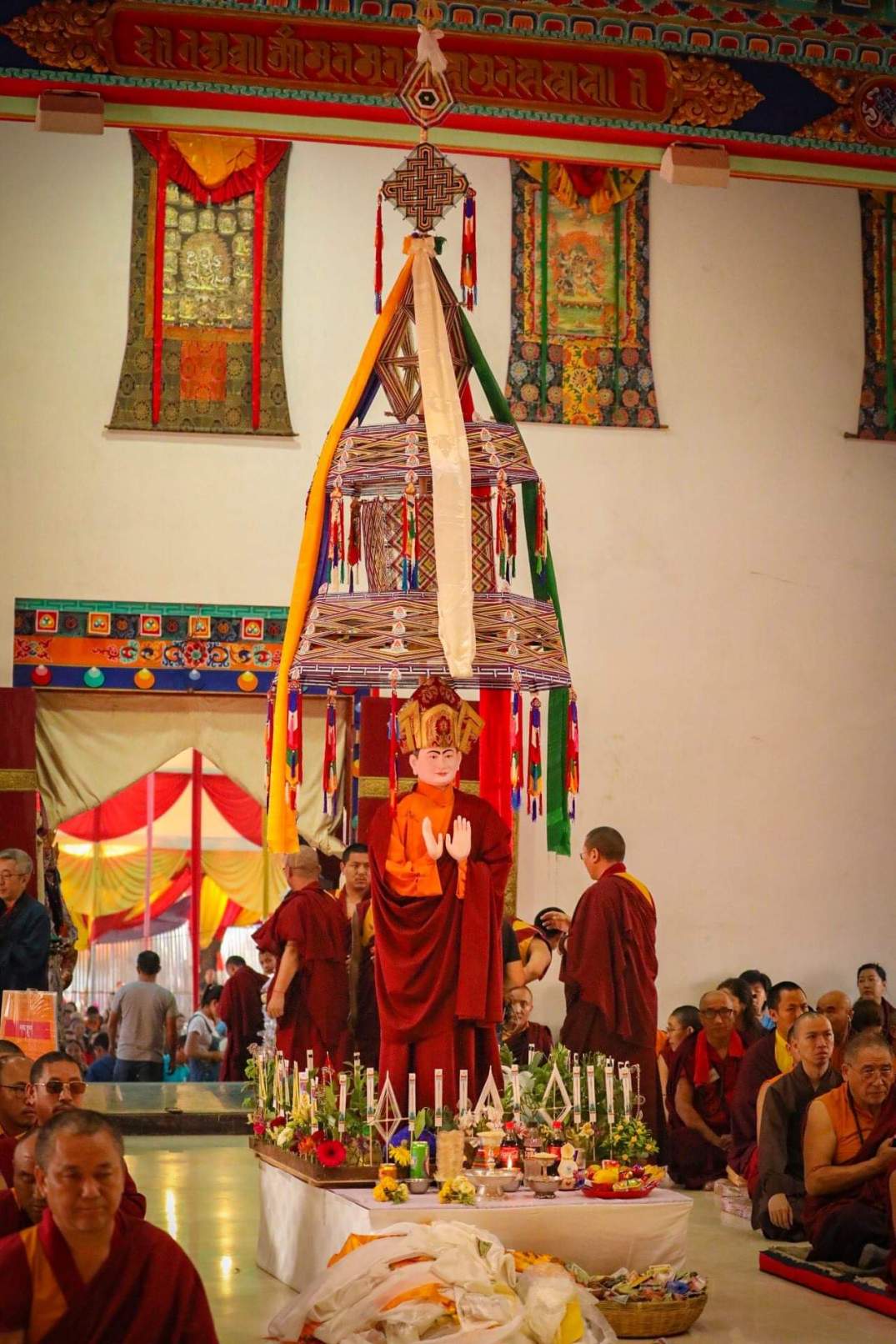
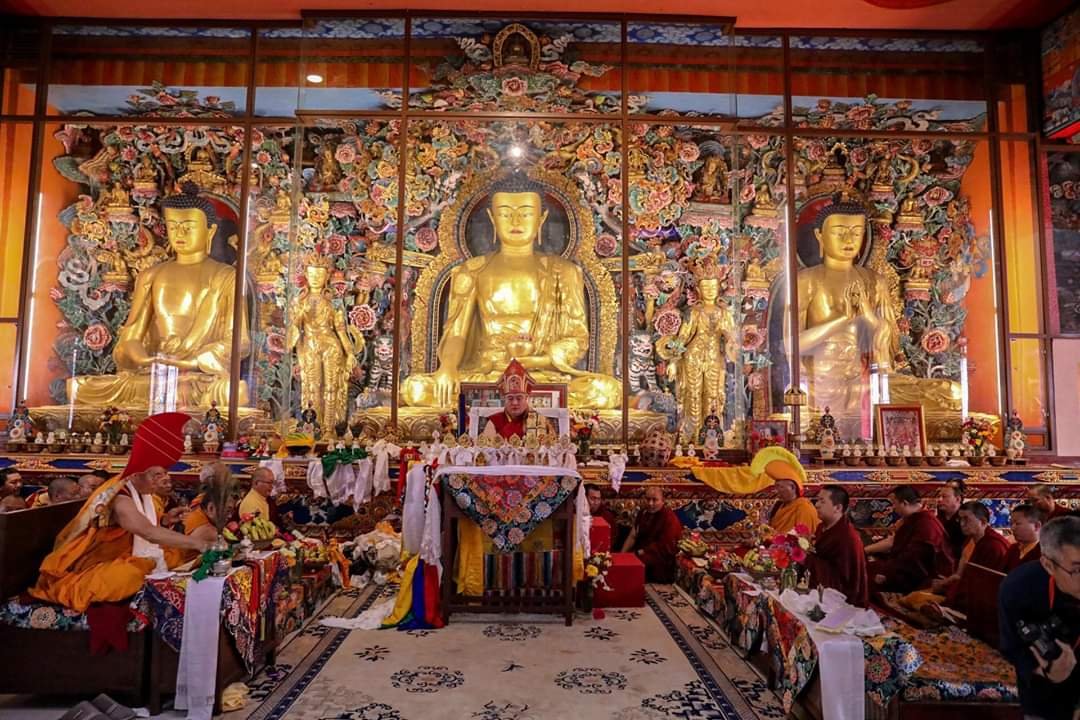
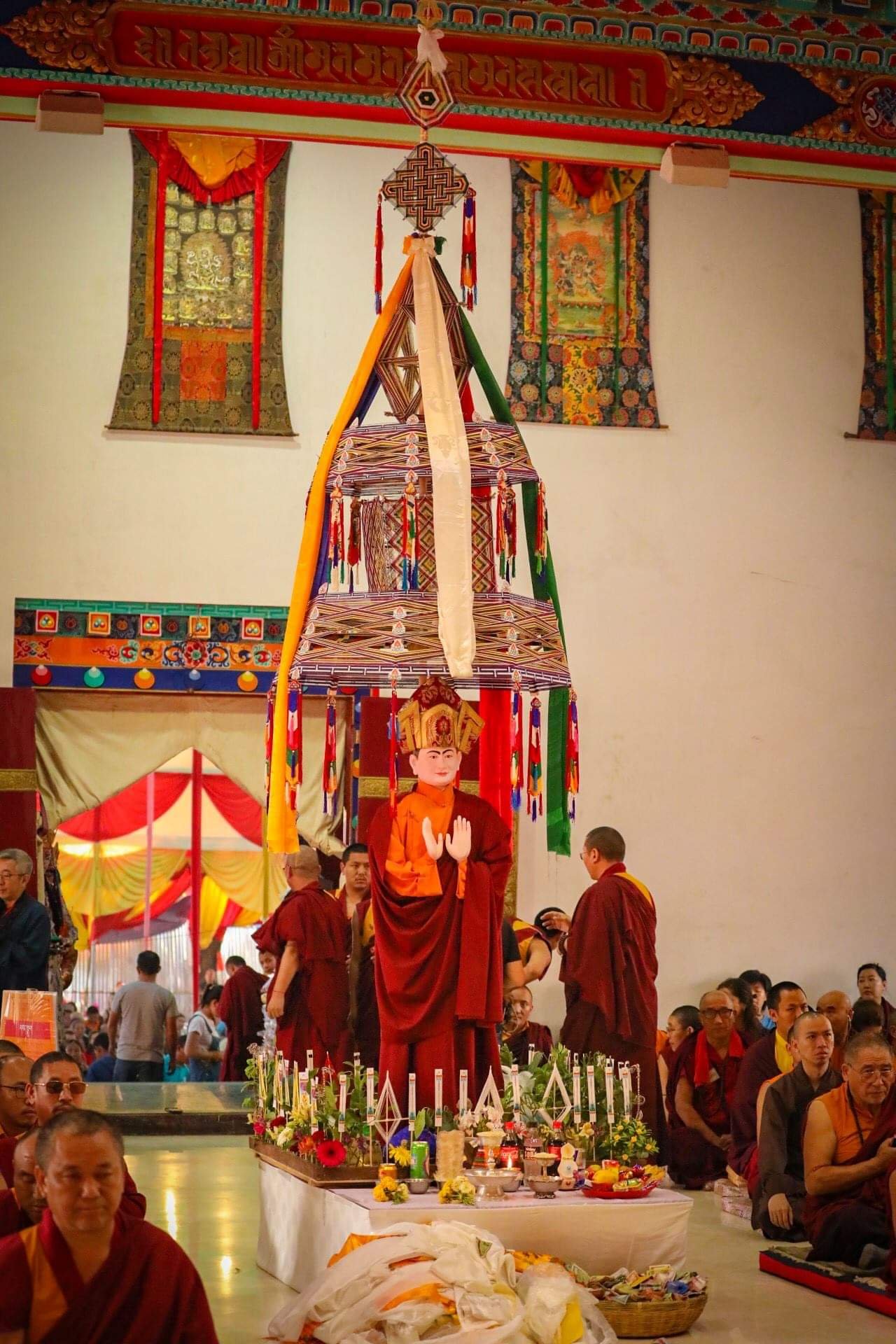
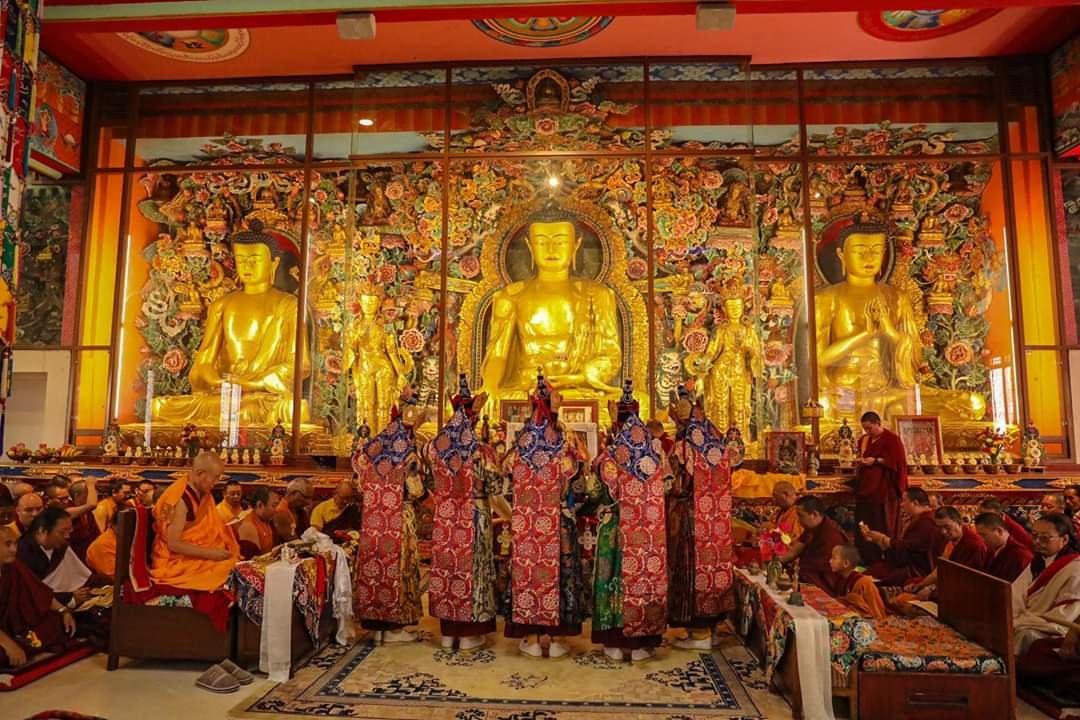
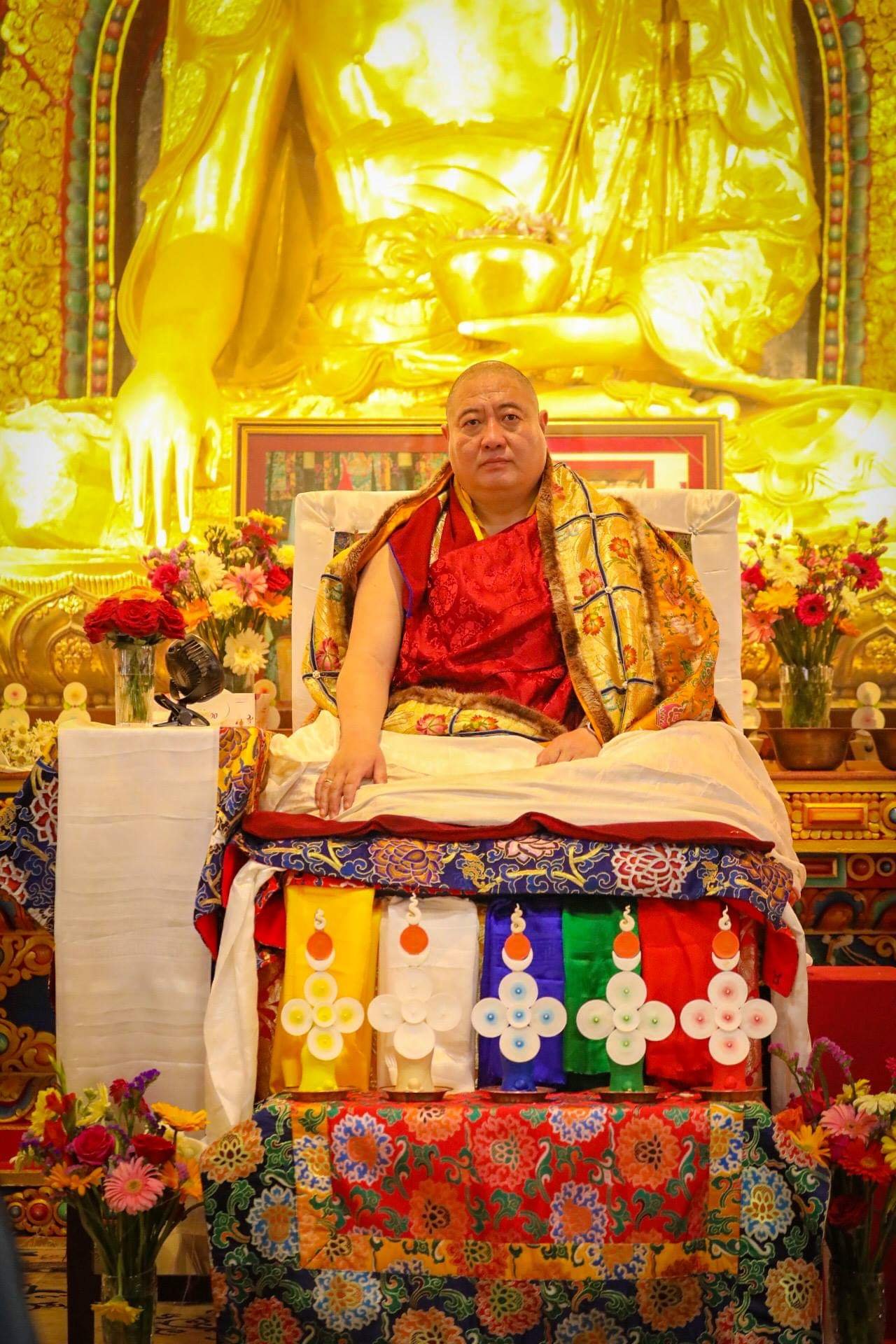
April 29, 2019 was the conclusion day of the historic public transmission of Nyingthik Tsapöd and the entire works of Künkhyen Jigme Lingpa and Dza Paltrul Rinpoche, which had taken place over the 17 days at the Shechen Monastery in Kathmandu, Nepal.

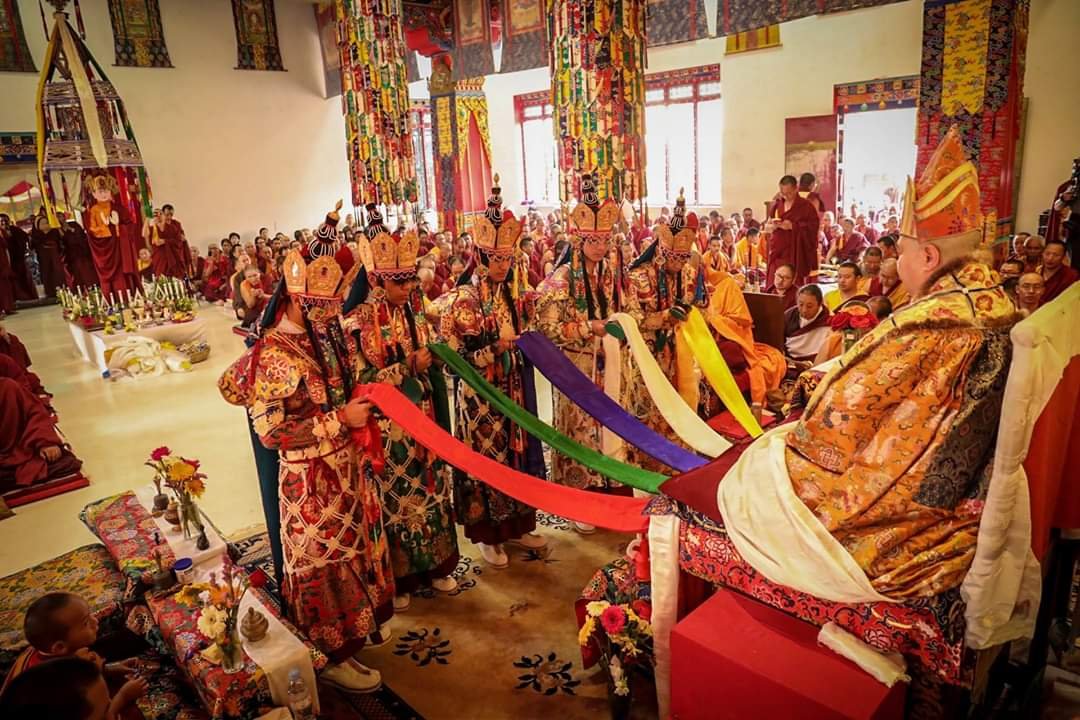
This day was dedicated to expressing gratitude to Shechen Rabjam Rinpoche for his immense kindness in imparting this precious transmission. It included a mandala offering and the longevity ceremony of Khandro Sundok (Averting the Calls of Dakinis) Sadhana, suplicating Kyabje Rinpoche to remain firm with good health and long life for the benefit of Dharma and all of sentient beings.

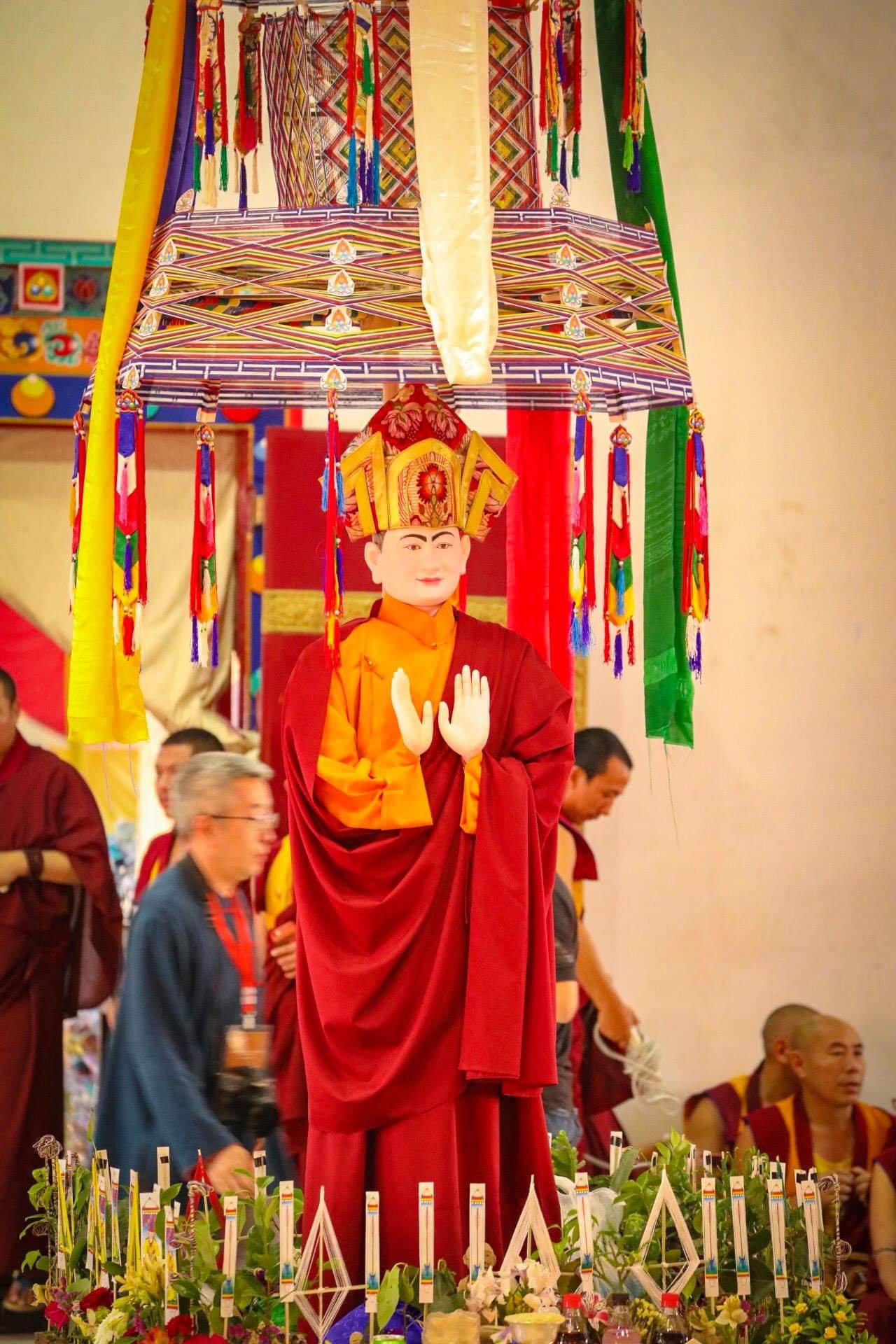
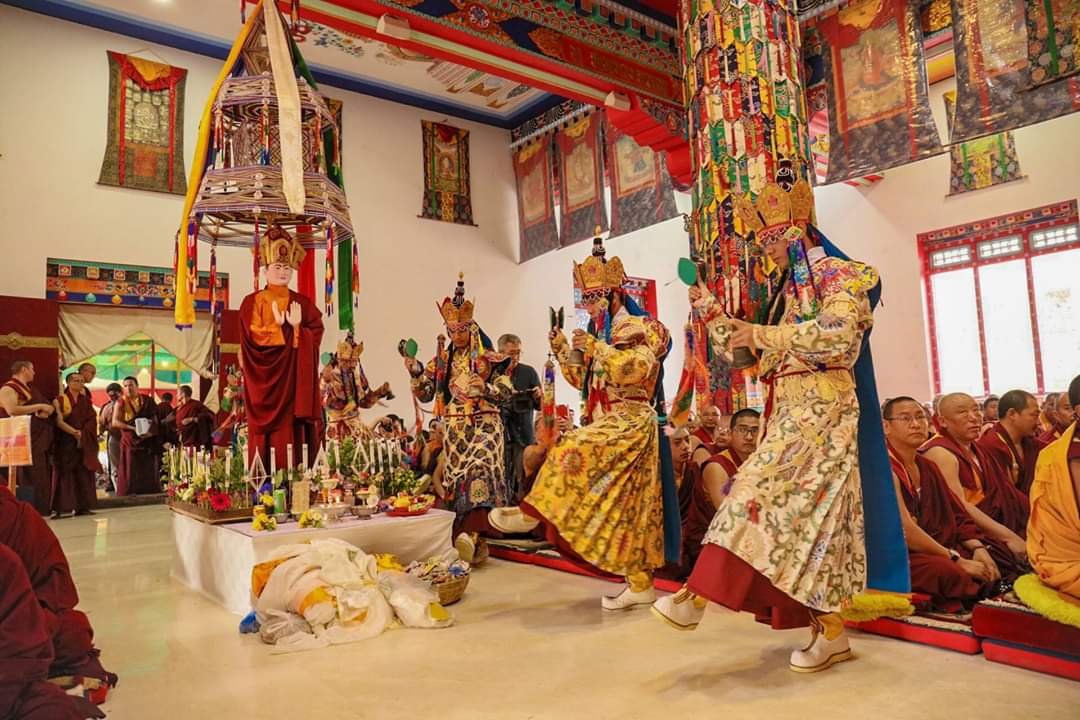
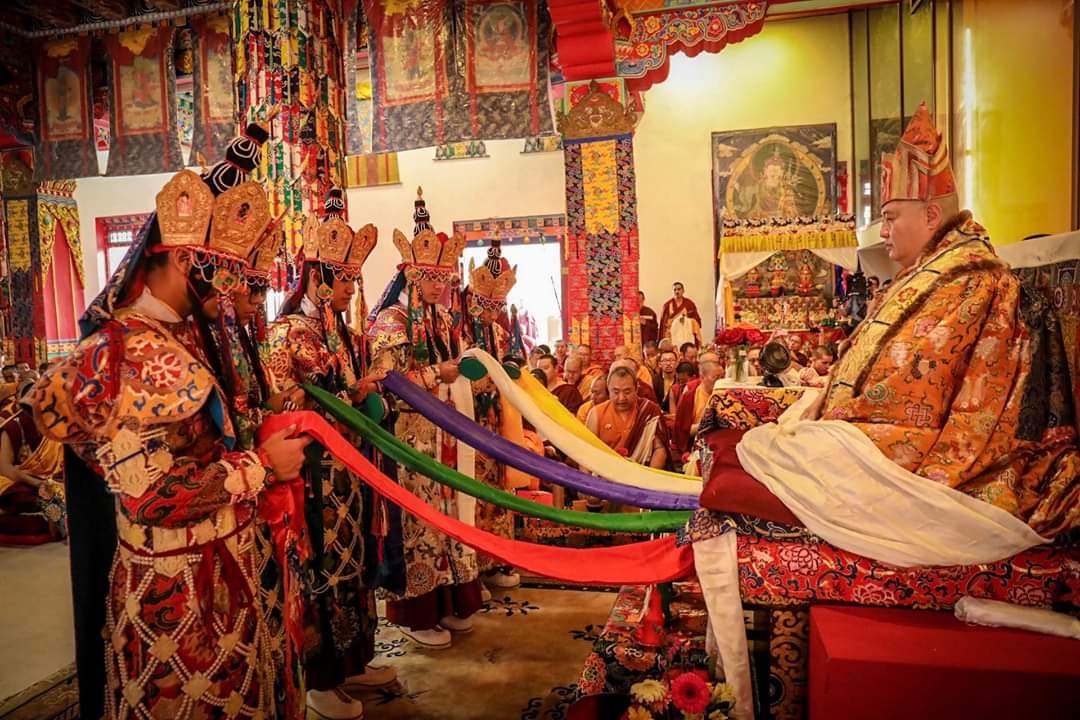
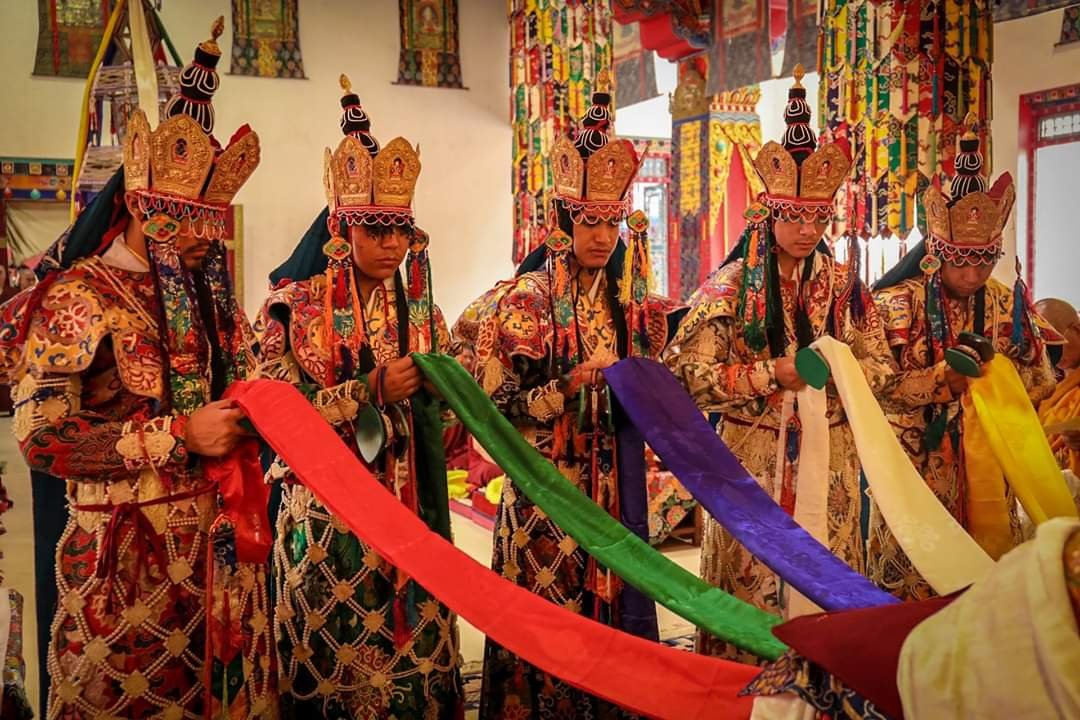
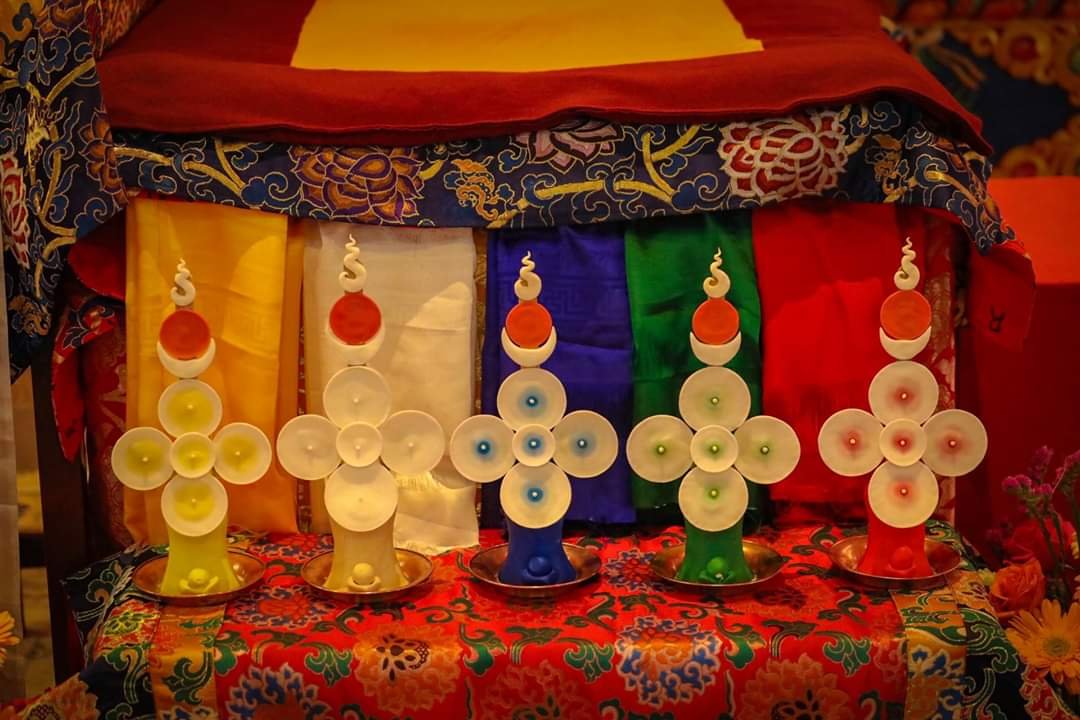
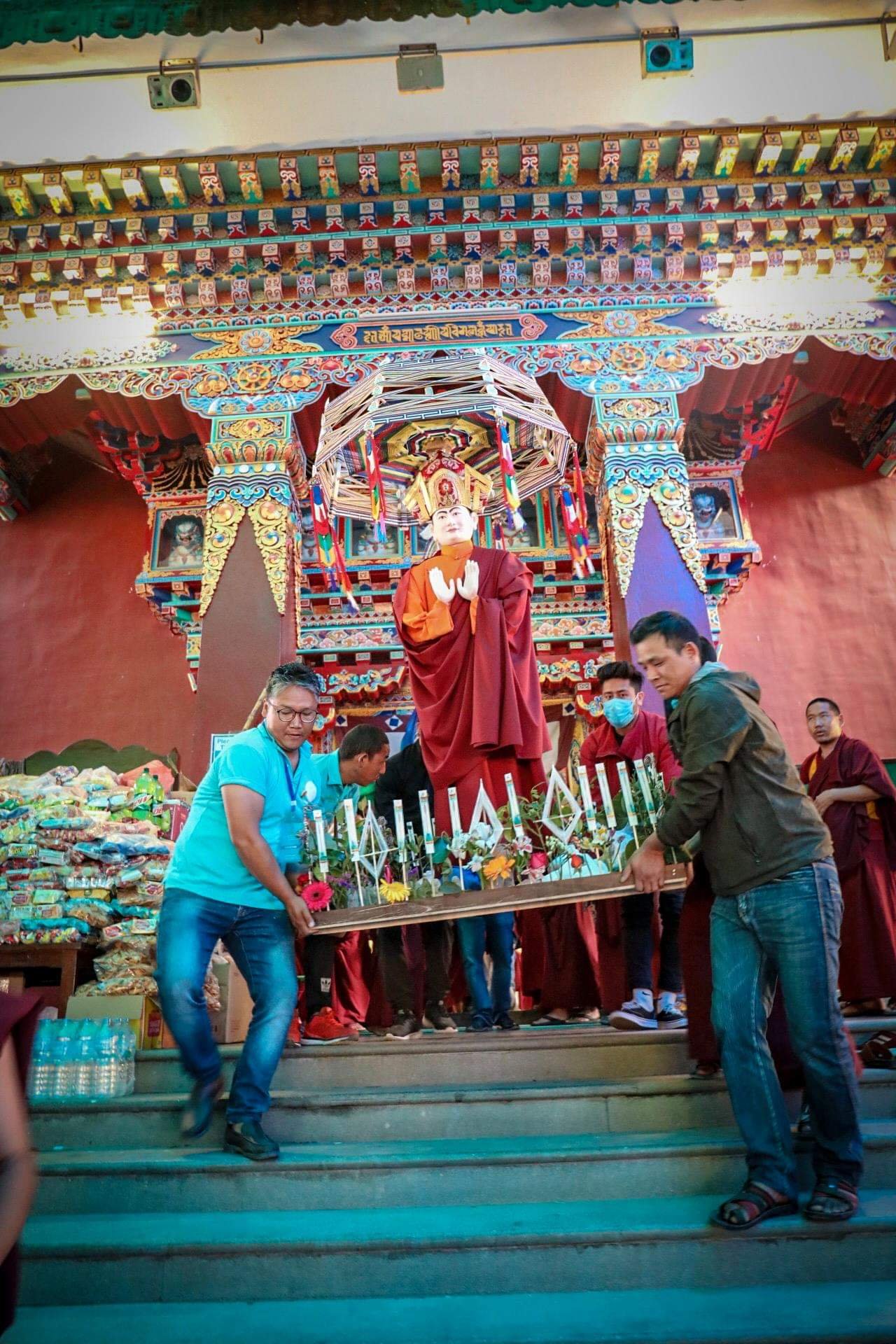
A complex namkha was constructed for the ritual. A life-like effigy represented the body while the woven construction imbued with the 5 elements represented Rinpoche’s life energy. The whole structure was ritually offered to remove obstacles to Rinpoche’s life.

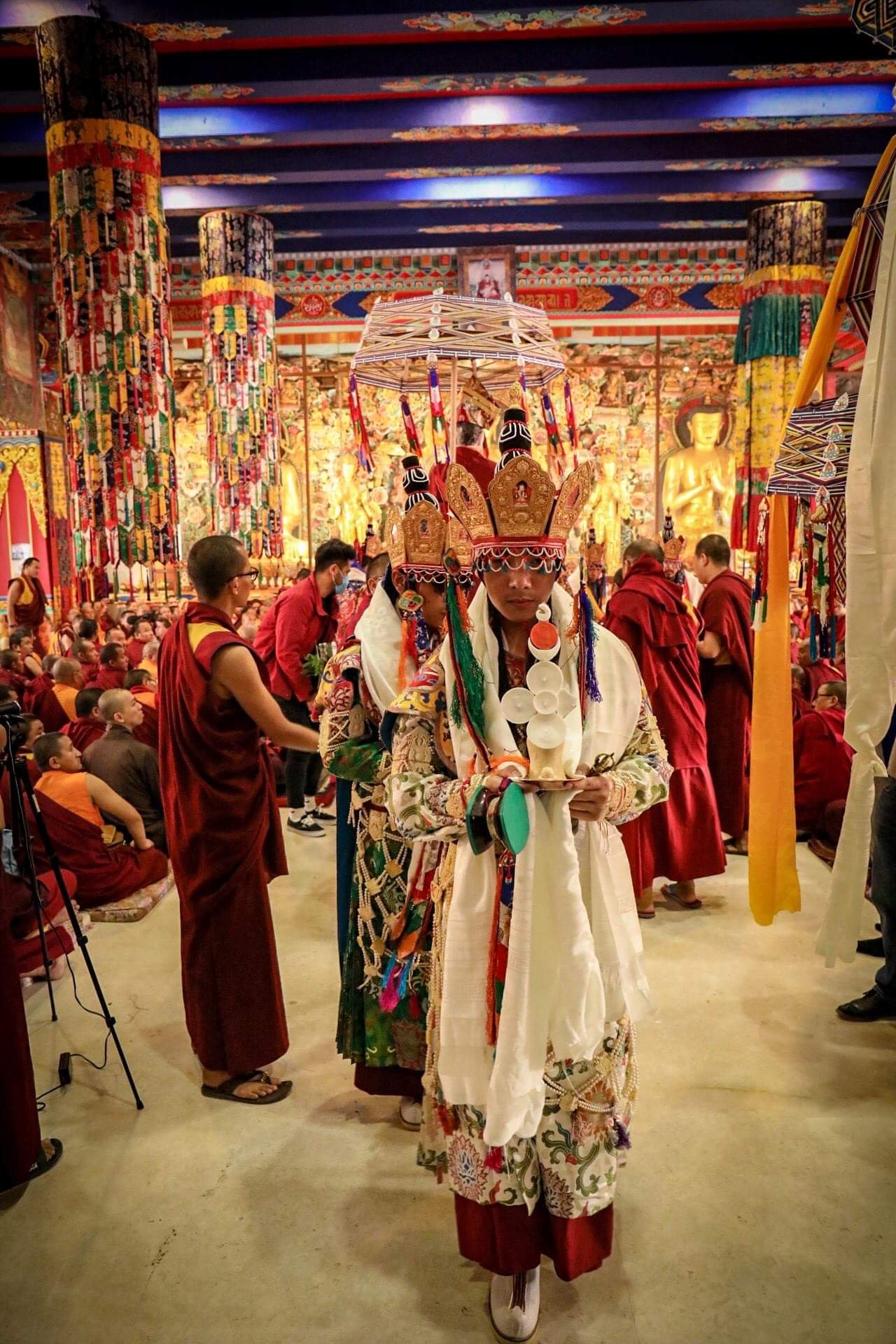
The ritual dance of the Five Dakinis was a way to enact the actual blessing of Rinpoche by the five sacred energies: space, air, fire, water and earth, in their respective colours of blue, green, red, white and yellow.

When the life of a Tibetan Buddhist master might be nearing its end, Dhakinis come to escort him/her out of this life. In this case, the Sangha took the opportunity of this auspicious occasion to carry out this ritual for Rinpoche.

The namkha and the effigy are taken out of the temple to be discarded, considered accepted by the potential obstructors, who are thus satisfied and demotivated to cause harm to Rinpoche.

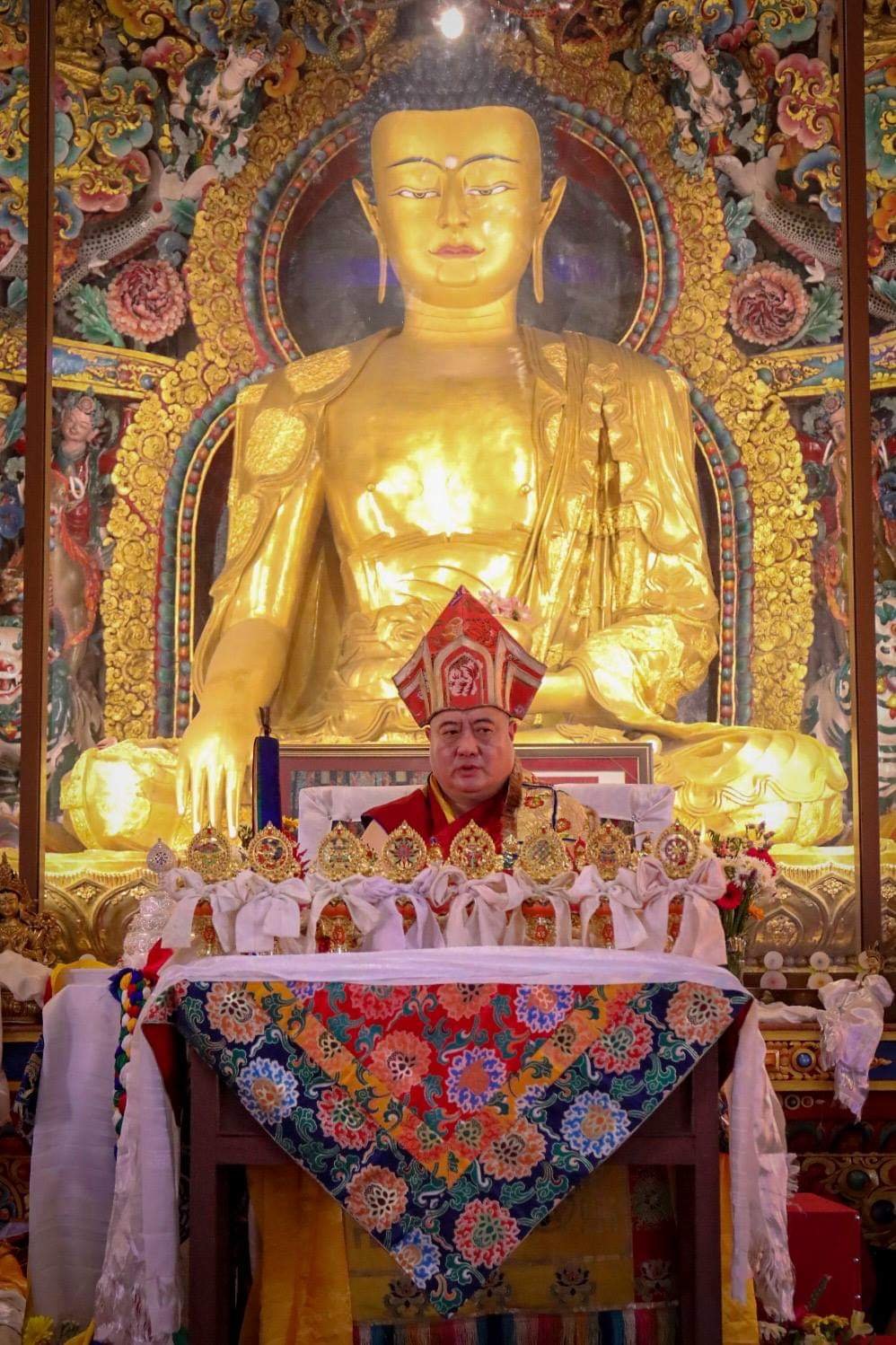
Sechen Rabjam Rinpoche having received the Tenshug – long-life ritual

Photo: Shechen Monastery Nepal

Read more about Namkhas of Tibet

Losar and Day of Miracles

Losar – Tibetan New Year

Two weeks ago we welcomed the New Year of Earth Boar.

A namkha functions not only to harmonize conflicts between the aspects of one’s astrological pattern, but also with the energies of the current years.

Therefore, in addition to the regular Namkha ritual I do for all the namkhas I have made, at Losar I am particularly focusing on harmonizing the namkhas with the New Year’s energies.

When your birth year is Boar (1947, 1959, 1971, 1983, 1995, 2007 and babies born this year), there’s a particular danger. As Namkhai Norbu Rinpoche says:

All those arriving at the year of their birth animal are in keg, the return of the animal of their year of birth, which is not favourable. It is advisable to avoid situations which may pose a risk. For example, one should avoid visiting the sick, avoid construction work etc. Dedicate yourself as much as possible to spiritual practice and particularly to long life practice, receive the tsewang (longlife empowerment), carry out actions that benefit the community of practitioners, read the Prajnaparamita Sutra in the long, medium and short versions, recite Togzung and Sitatapatra sutras, do the Gyazhi and Kegdog rituals.

As Rinpoche teaches us, having a namkha made is one easy and effective way to harmonize the conflicts between your personal energies and the energies of the current year, to minimize the risk. To request a namkha, contact me.

Read more about Losar >>> Namkha at Losar >>> Losar – Blessing namkha for New Year

Chotrul Duchen – Buddha Miracle Day

The first 15 days of the New Year is called the Month of the Miracles. It culminates with Chotrul Duchen, the Day of Miracles at Full Moon.

It is a major Buddhist festival, commemorating the life of the Buddha. Shakyamuni Buddha performed several miracles throughout his life for various reasons. Not to show off his qualities, but to serve the Dharma and sentient beings. This is a good day to practise, as the merit is multiplied by 100 thousand.

So, I’m empowering the Harmonizing Namkhas and the Magnetizing Mandalas made in the New Year, in the period of the first two weeks in the run-up to this day, which are considered particularly auspicious. At this time I’ve also started several namkhas that I will work on until the waxing moon period of the next month, when they’ll be authenticated (empowered to function).

My dedication is towards the well-being of the namkha recipients, the preservation and spread of the Namkha practice and Buddha Dharma, the long life of Buddhist teachers and liberation of all beings.

May the Buddha come to this world and his teachings shine brightly as the sun. May beings encounter these teachings. May they all achieve perfect enlightenment, the ultimate liberation!

Namkha at Losar

In the past few days, Tibetan Buddhist monks have been busy creating a huge namkha as part of the Tibetan New Year rituals.

Losar time, 29th day of 12th Tibetan month


Gutor is an important event that closely precedes Losar, the Tibetan New Year. I witnessed this ritual twice in Namdroling. The monks work for several days preparing for this elaborate ritual. Some prepare tormas, some practice lama dances and others prepare the namkha. The offering items are arranged in the temple and empowered by chanting and visualization practice by hundreds of monks lined up sitting in the temple. Two days before Losar, the main item, gegtor, a huge torma made of flour, is ceremoniously taken out of the temple and ushered by the monks to a nearby field outside the monastery wall. (See more photos of this on my other blog here). There, the ceremony continues with more chanting and lama dances. In the end, the offerings are thrown away or burnt. The energies of the old year thus considered cleaned away and the spirits appeased, the Losar festivities are free to begin.

Gutornamkha1

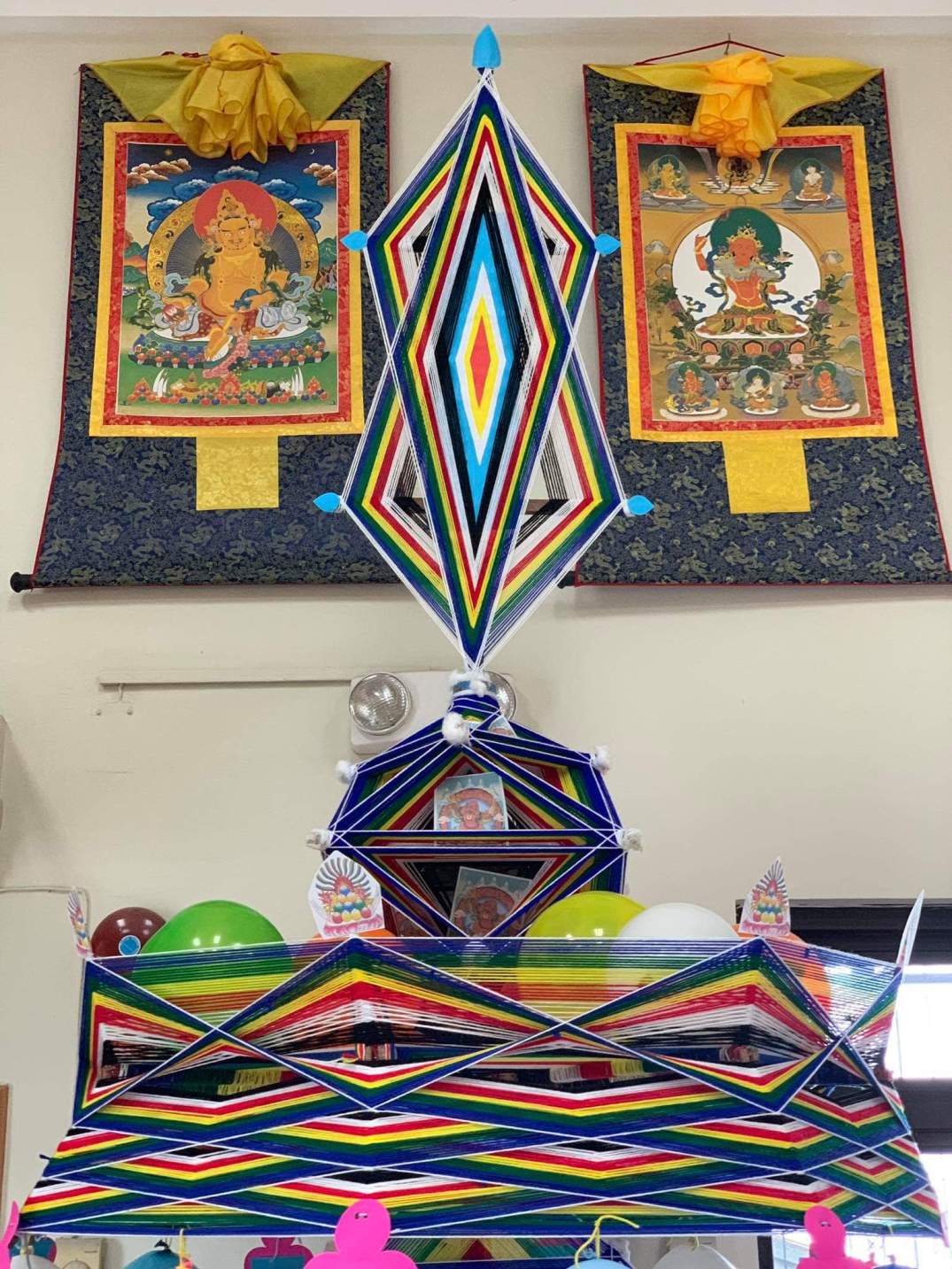
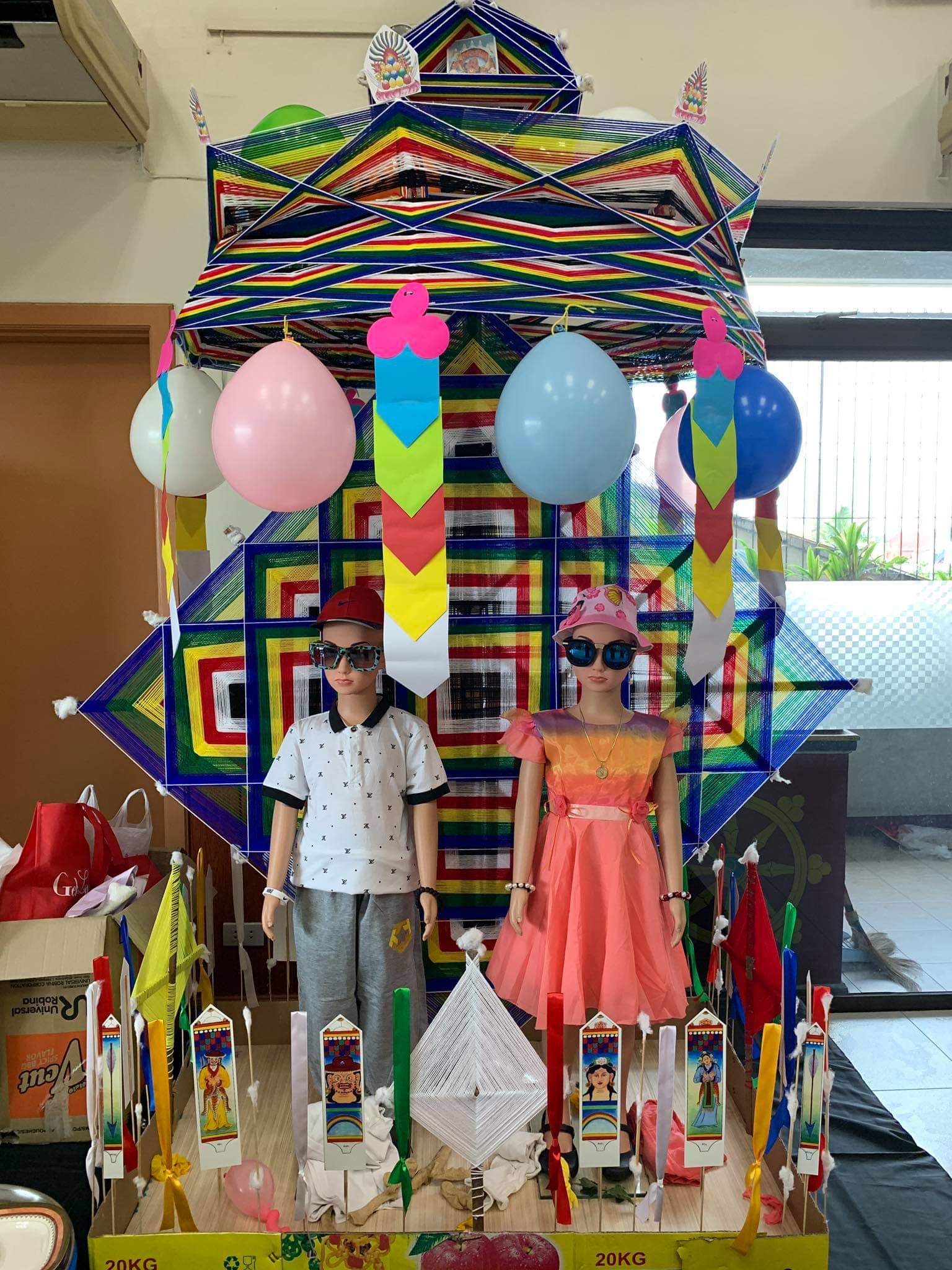
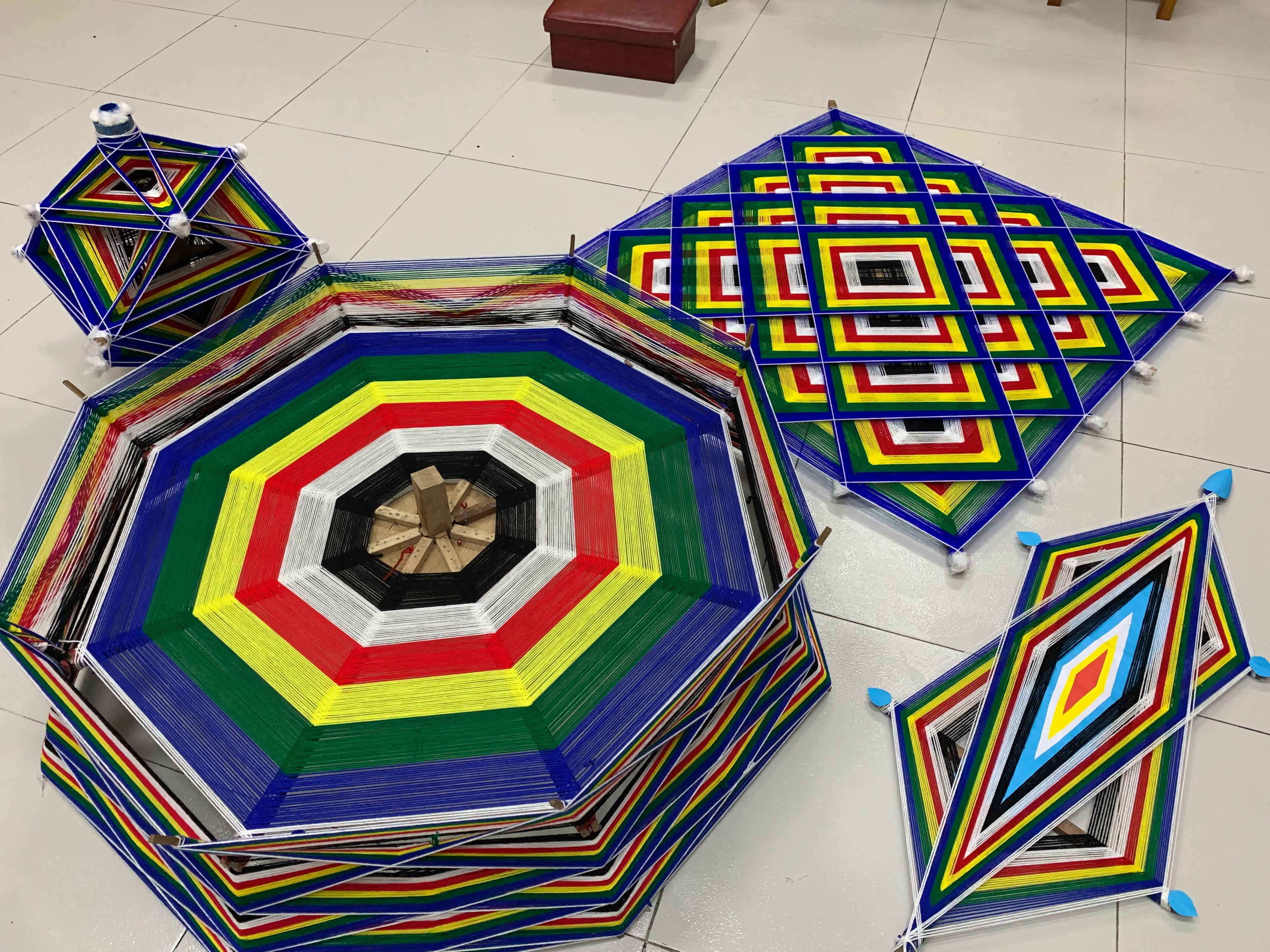
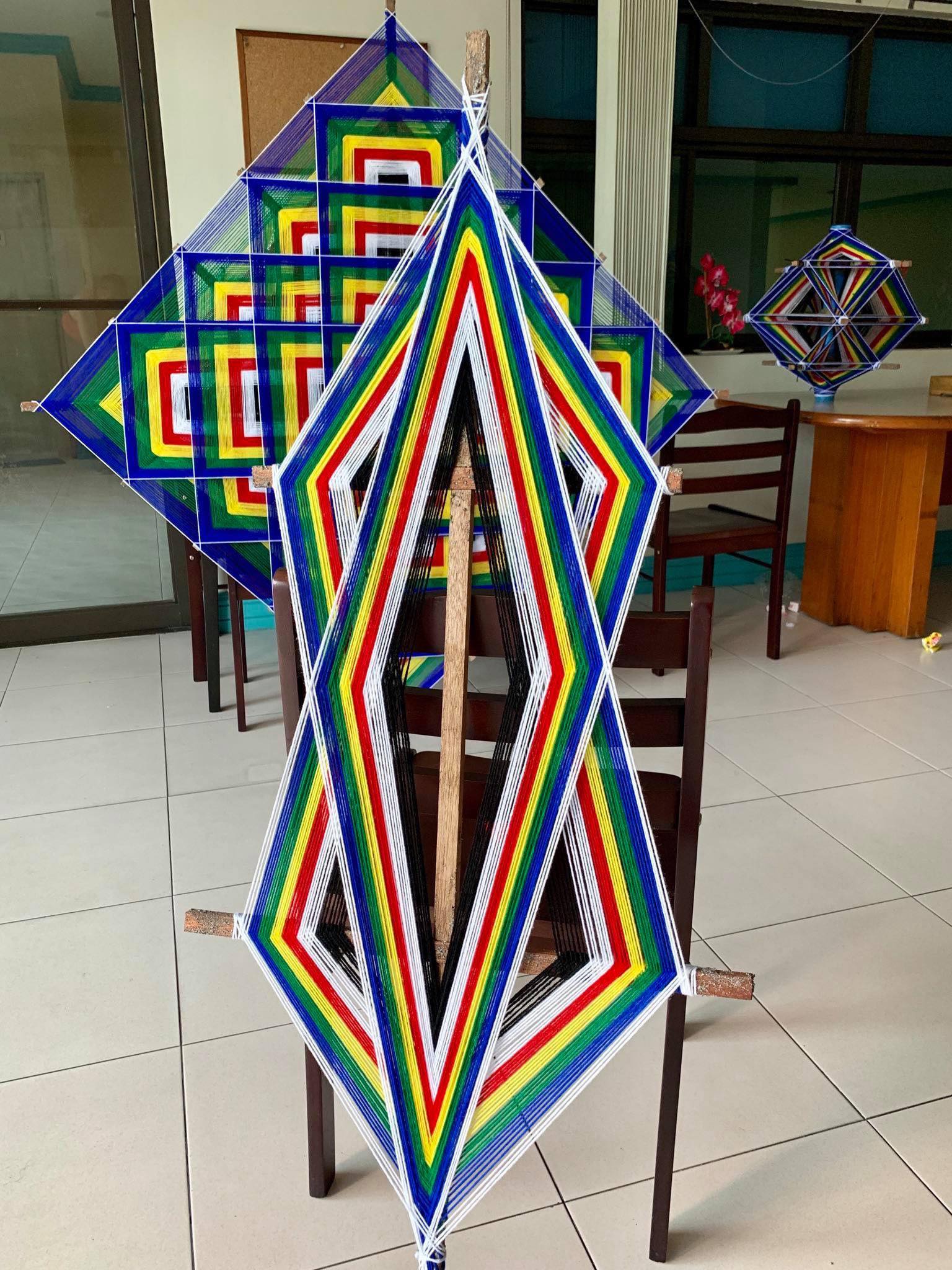
Namkha are thread cross constructions made with coloured strings. They are part of a display called dö [mdos], which includes namkha and other symbolic representations.

Gutor has been the same every year for centuries. Like any Tibetan Buddhist practice, it closely follows a prescribed step-by-step procedure written in ancient Buddhist texts called terma and no deviation is favoured. Creativity is bound by the sacred limits of the revered scriptures. The procedure for constructing of the “gutor” namkha, for example, is described in the Ratna Lingpa terma and is part of the Lü (Naga) offering ritual. The Lü are important beings to be on good terms with.

ratnalingpanamkhaparts.jpg


The namkha is constructed specifically as an offering to the Lü for prosperity and fortune in the coming New Year.


The shapes, colour-sequences and the whole procedure follow the description in the treasure text of Ratna Lingpa from 14th century.

ratnalingpanamkha

This is a fine example of a namkha thread cross of the Tibetan Buddhist tradition, and we are fortunate to be able to see these rare photos courtesy to my dear friend, Lama Tsultrim Palyul of Namdroling monastery, who supervised the construction of this particular namkha at the Palyul Centre in the Phillipines for Gutor this year (2019). The photos are used with his kind permission.

Brigid’s Cross

My search for Tibetan Namkha-equivalent art in world cultures takes me to Ireland today.

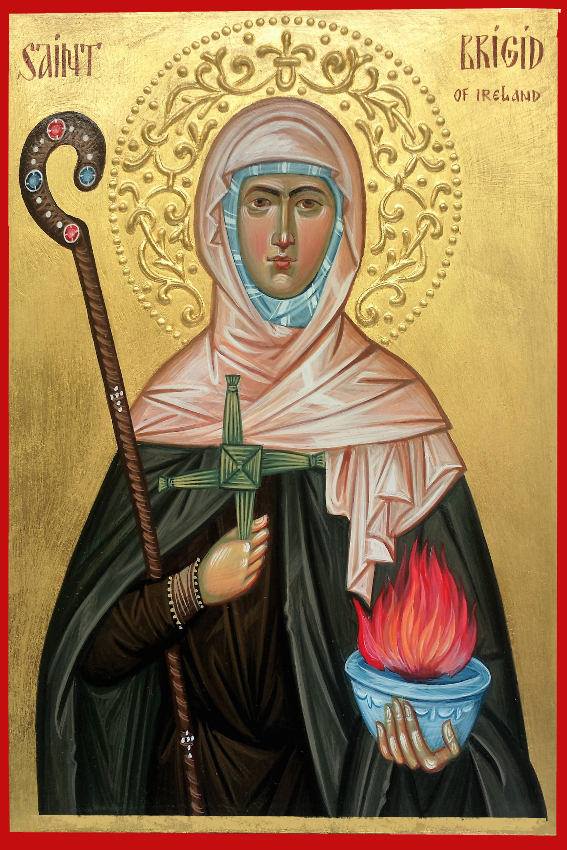
It’s St. Brigid’s Day, celebrated each year on 1 February in remembrance of Brigid of Kildare, a Christian patron saint of Ireland.

brigidcross

The Goddess of Brigid, her pagan festival Imbolc and the rushen cross are all old folk tradition, most probably of Celtic origin, that was incorporated into Christianity.

The cross has become a symbol of Ireland, similar to the shamrock and harp, the four-armed cross being the most recognizable, though there are regional varieties, such as the three-armed cross.


The materials vary from rushes, reed, straw to wood, grass, hay, goose quills, wire and fabric.

In all its variety, Brigid’s cross is very similar in design and function to the Tibetan Namkha and the Eye of God (Ojo de Dios) of the Huichol indigenous culture of Mexico.

crosses

Varieties of Brigid’s cross Source


Tibetan namkha

The cross seems to have become no more than a mere symbol of a culture today. We’re told that, historically, the crosses were hung up in homes and animal sheds. Newlyweds and those with a new home would commonly receive a cross as a gift for protection and good luck. There’s probably a lot more depth to the tradition than what can now be recollected.

crosshanging

Source

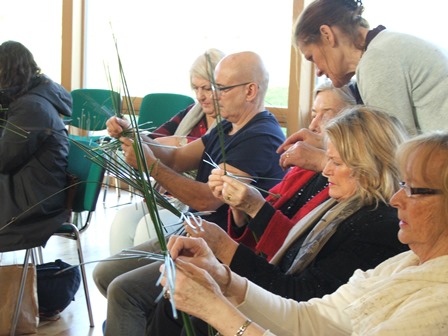
In Ireland, the tradition is honoured today by doing the Brigid’s cross weaving.


feile-bride-weavingjpg

 Source

Brigid’s cross weaving tutorial:


The featured photo pictures His Holiness the Dalai Lama with a Brigid’s cross presented to him. 

Do you know more about this tradition? Please, share!

Sources:

Wiki

National Museum of Ireland

Solas Bhríde Centre and Hermitages

Follow my blog for more interesting research on the world’s woven crosses coming up: Huichol, Bon Tibetan, Nepalese Silamsakma and more …