Namkha at Karmapa’s Black Hat Dance

The last month of each Tibetan year is dedicated to clearing negativity accumulated throughout the year. It culminates with Gutor, an extensive ceremony featuring Lama Dance (Cham). By performing traditional rituals, Tibetan monks and yogis clean the ground for an auspicious, fresh New Year (Losar) to enter.

Losar – the Tibetan New Year – is celebrated in February or March each year, as based on the Lunar calendar. In 2020, Losar falls on the 24th February.

A large namkha structure is part of Gutor in the old traditions of Tibetan Buddhism, mainly Nyingma, where it is constructed as prescribed in the sacred texts known as terma (hidden treasures). I wrote a bit about that here.

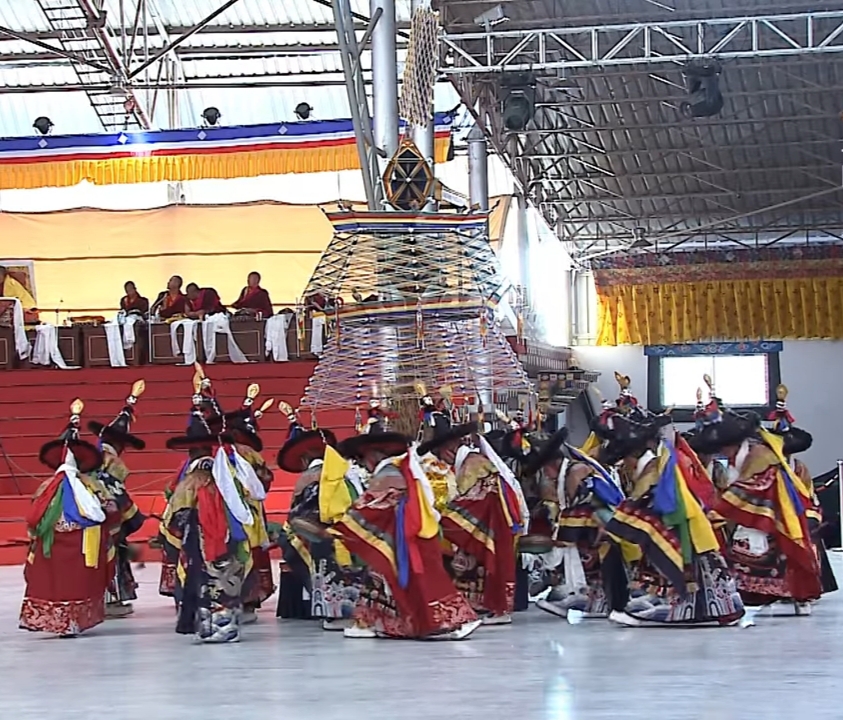
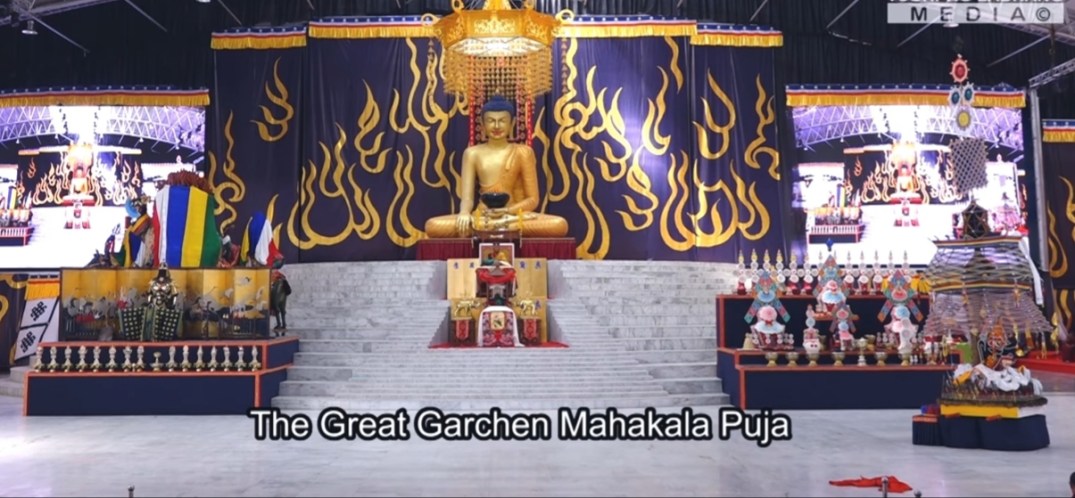
At Kagyu Monlam in Bodhgaya in 2012 and 2017, His Holiness the Karmapa performed the extensive Black Hat Dance at Gutor time. A tall, woven construction could be seen on both occasions towards the right-hand side of the stage of the Monlam Pavilion.
Namkha at 34th Kagyu Monlam
A torma and large effigy made of thread are installed on stage at 34th Kagyu Monlam, 24th February 2017.

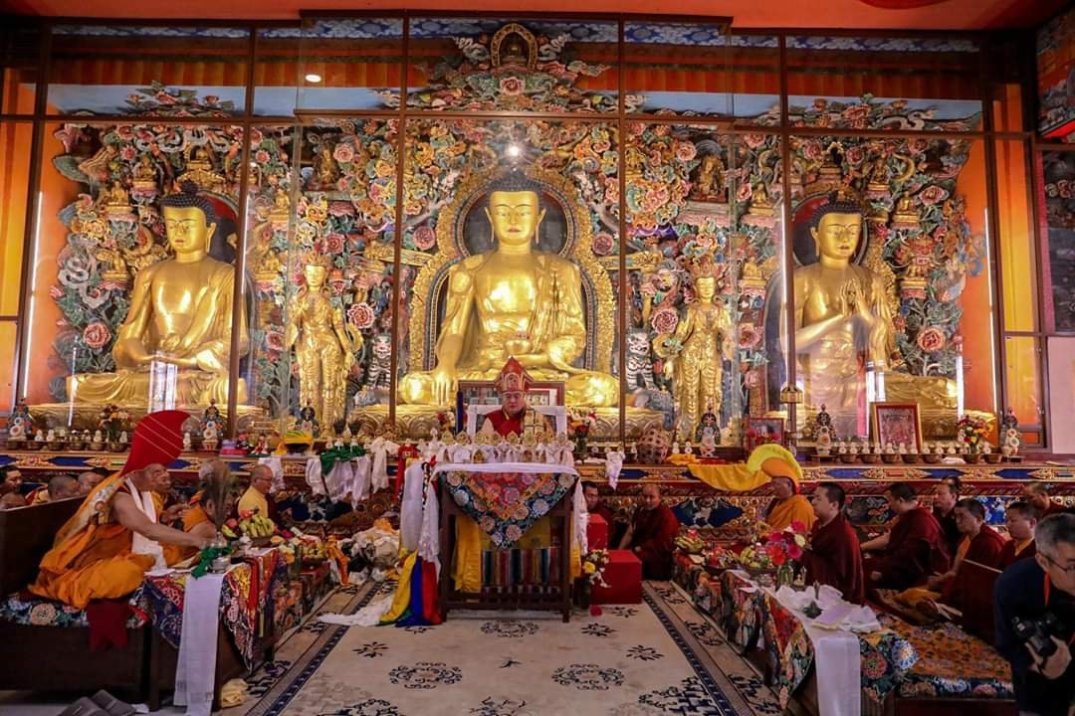
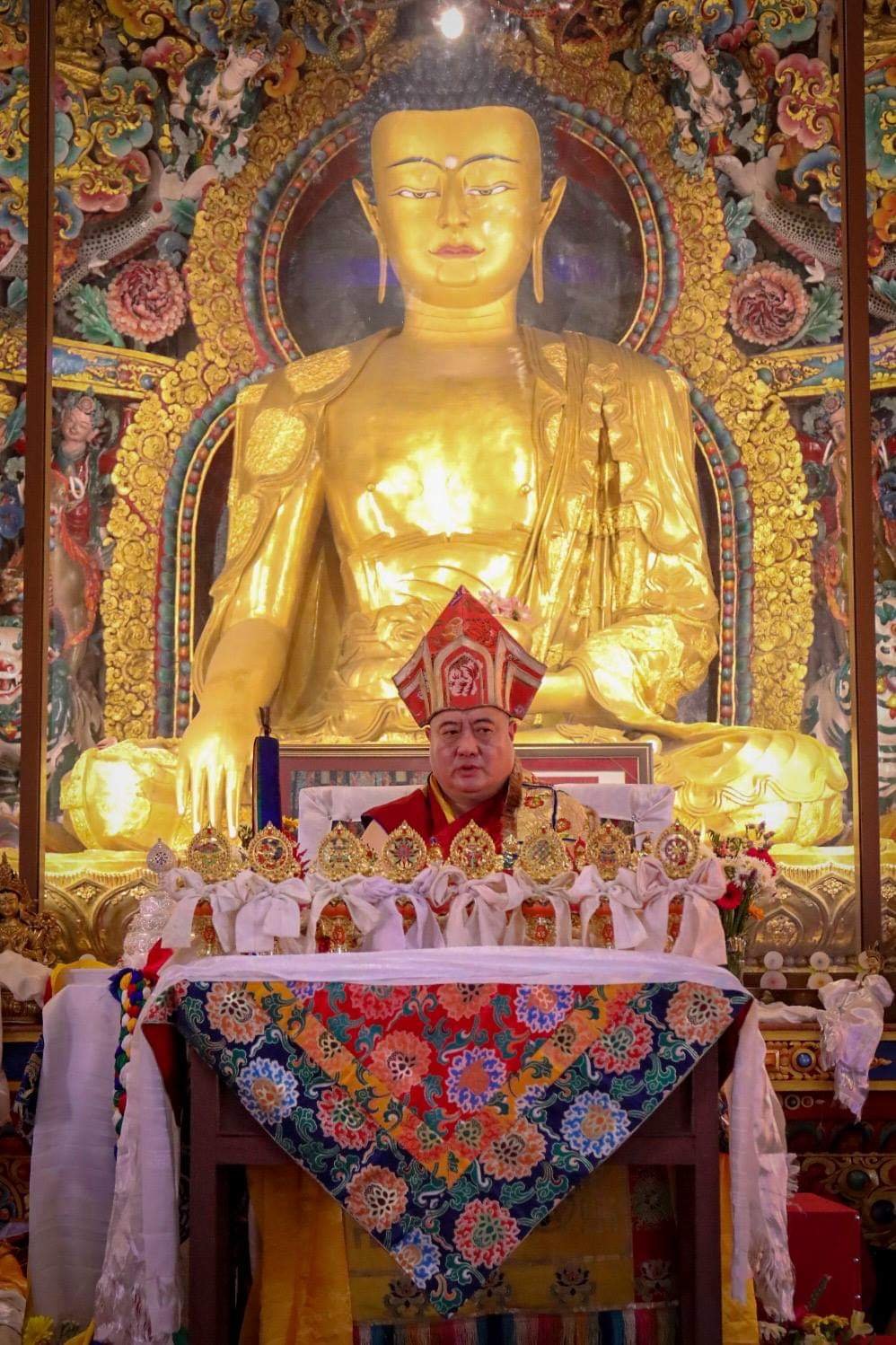
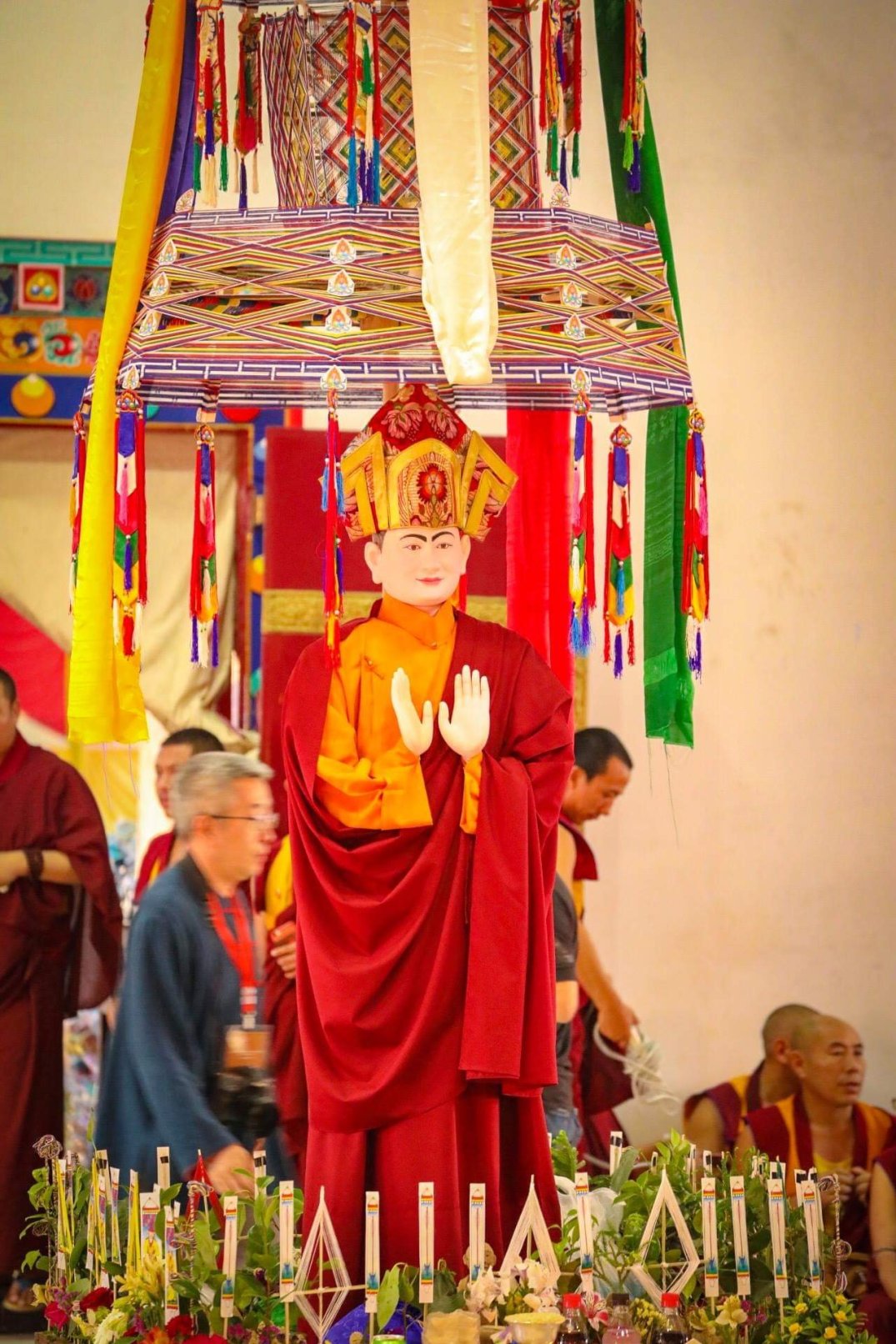
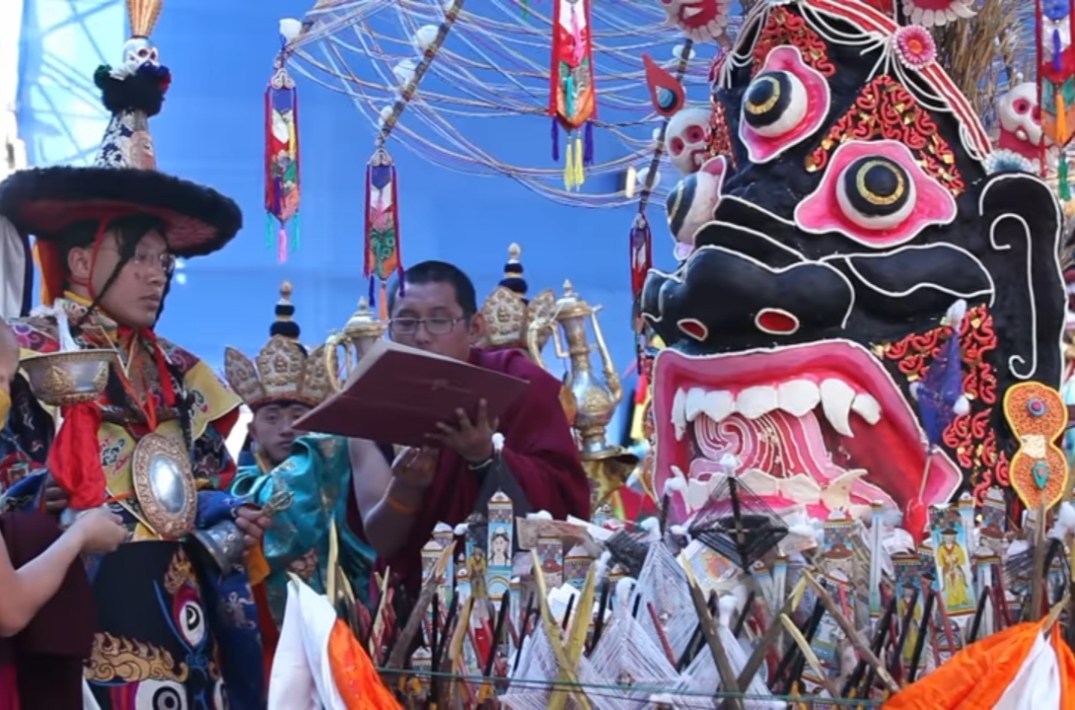
This effigy made of five-coloured threads wound in intricate patterns around a wooden frame was installed together with an impressive torma – an offering made out of dough, shaped as a giant head. The function of the thread construction, called namkha, is to entrap negative energies into its webs, having been lured there by the irresistible torma. His Holiness the 17th Karmapa, Ogyen Trinley Dorje presided over this offering ritual.
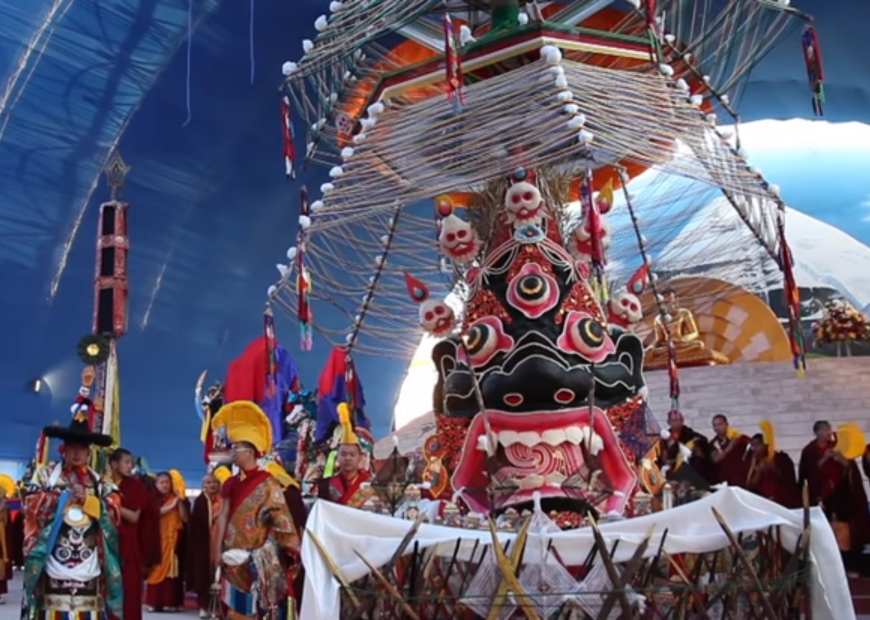
gutor torma at kagyu monlam
The Karmapa (left) approaches the great torma with the effigy made of thread above it.

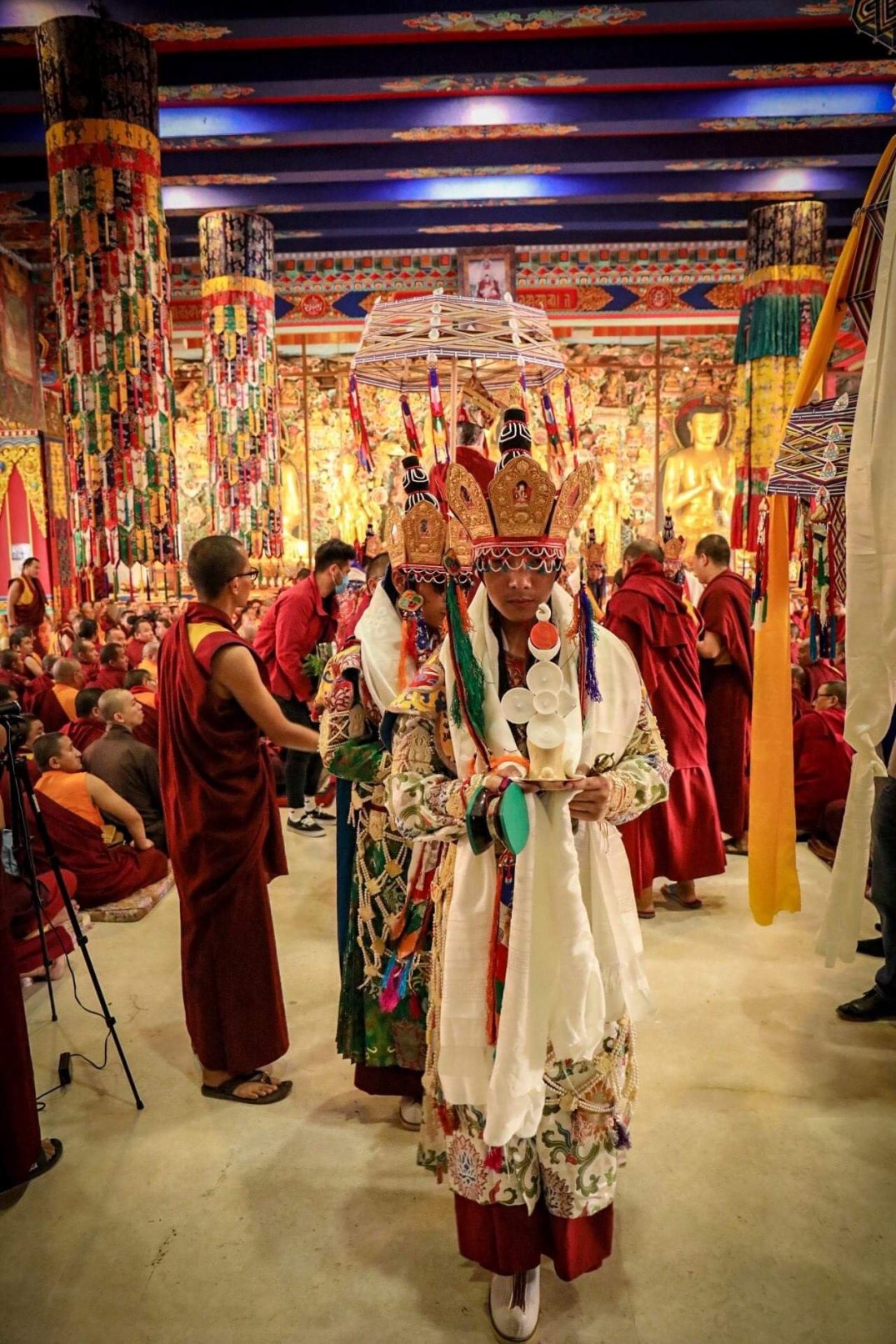
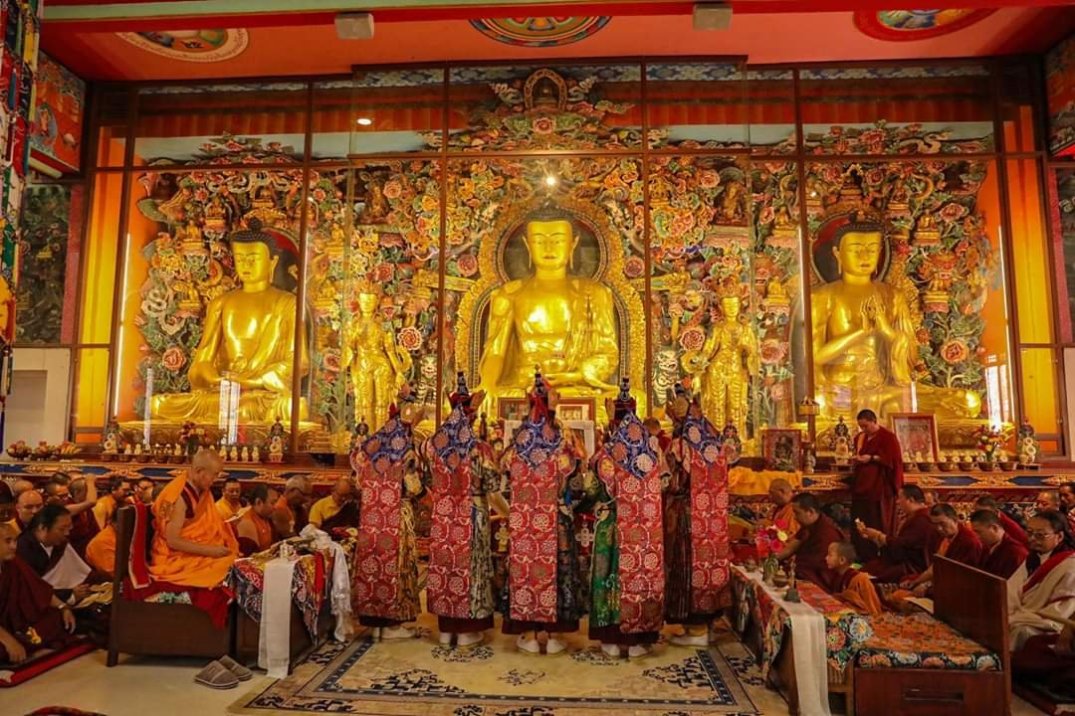
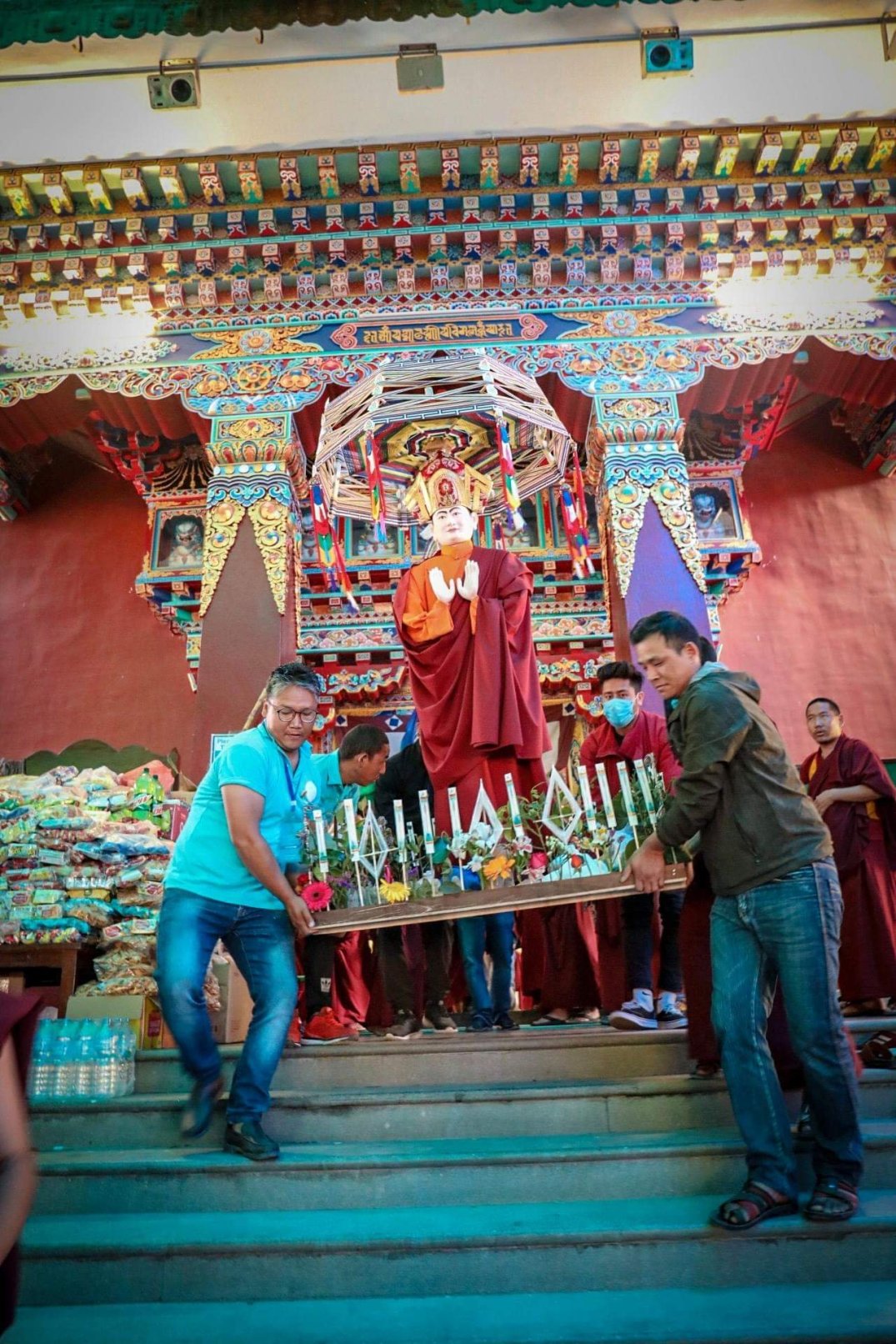
On the day: The Karmapa performs several sacred dances together with other Lamas. Before the start of the dance, the great Hazhel torma is brought in with a great procession by monks from Rumtek Monastery and lay members of Tsurphu Labrang the stage. The Vajra Master, dressed as the Guardian of the Gate, swirles a black cloth to keep any spirits from escaping as the torma installation is moved.
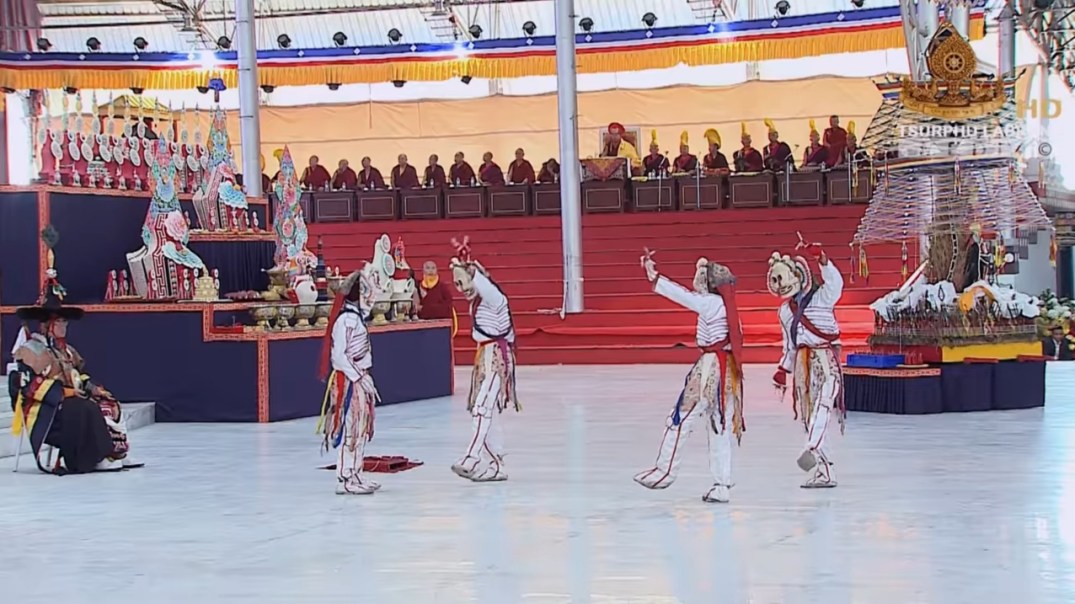
cham

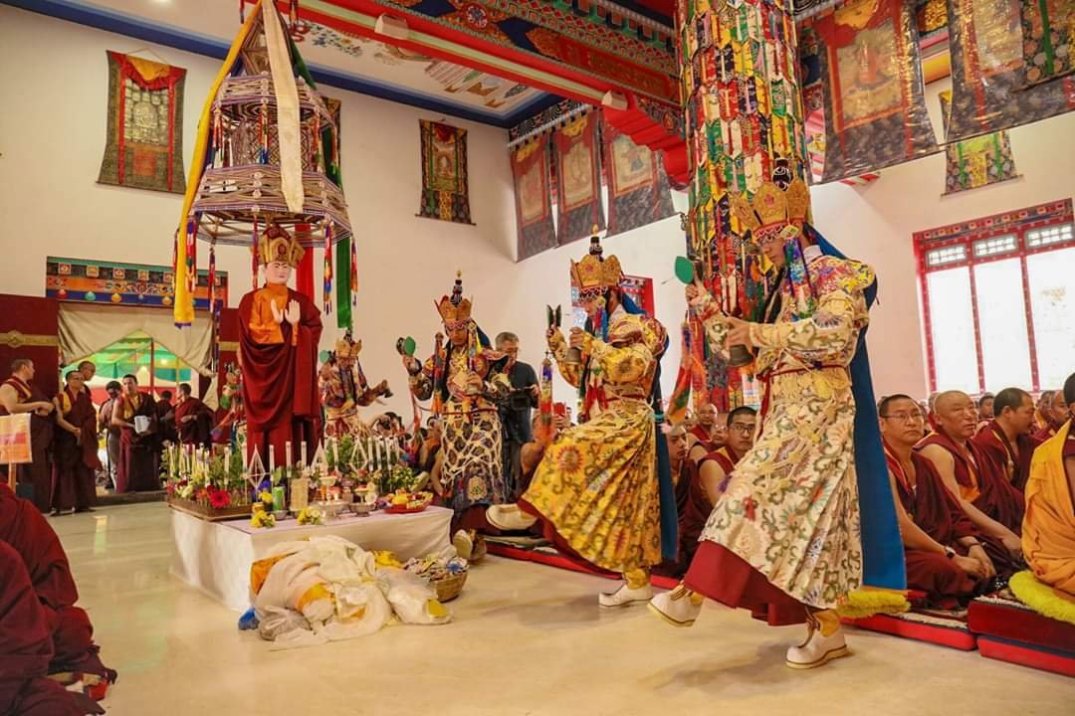
The Karmapa (left) presiding over a dance. The namkha structure on the right.

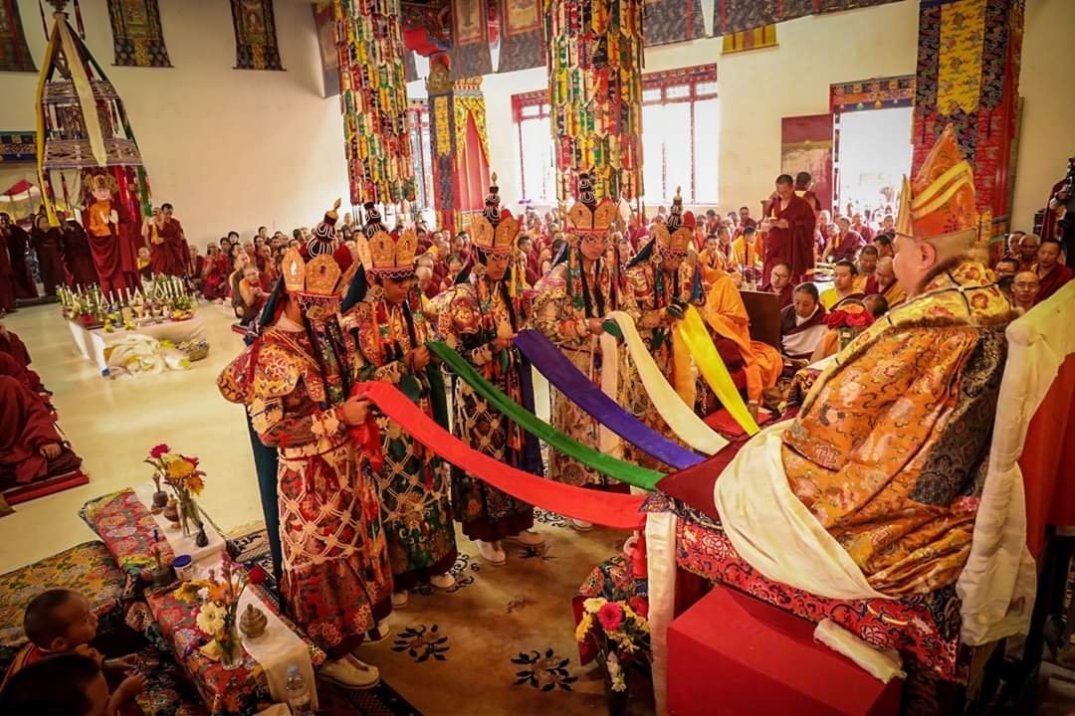
Several dances are performed before the Karmapa approaches the rituals involving the torma. The Karmapa blesses the torma and effigy. 

Mahakala Puja with Namkha
His Holiness 17th Karmapa performs Mahakala Puja and Cham for the first time in India.

Cham dancers, in constant meditation, circle around the construction for a short time.
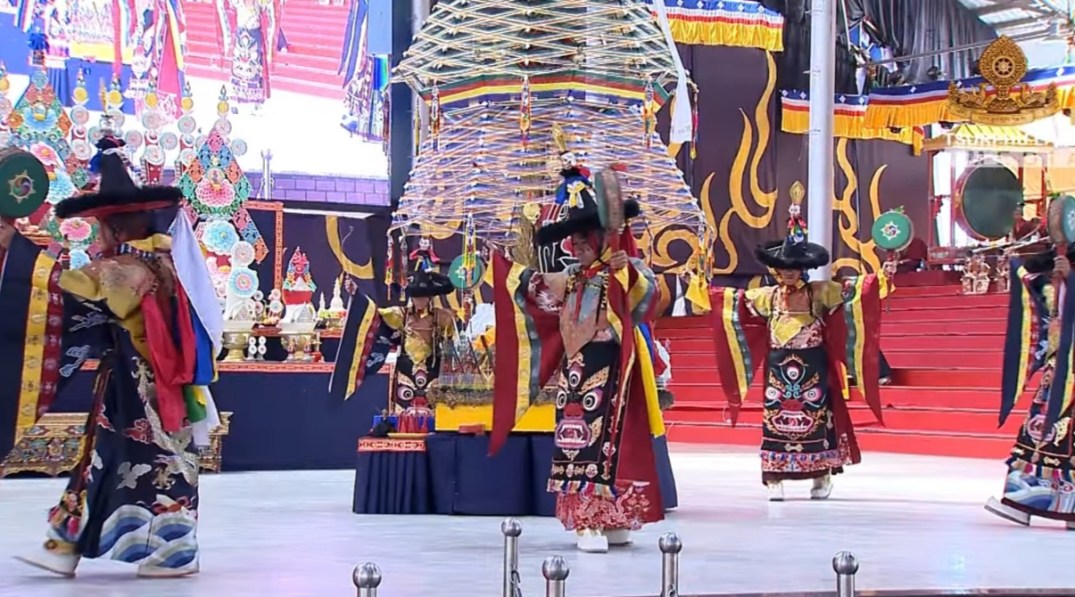
Namkha at Kagyu Monlam 2017
Dancing Lamas encircle the effigy.
Namkha at Kagyu Monlam 2012
Dancing Lamas encircle the namkha construction

The negative energies of the past year, attracted by the offering of the torma, are now considered entrapped in the web. A group of monks takes the effigy out of the pavilion.
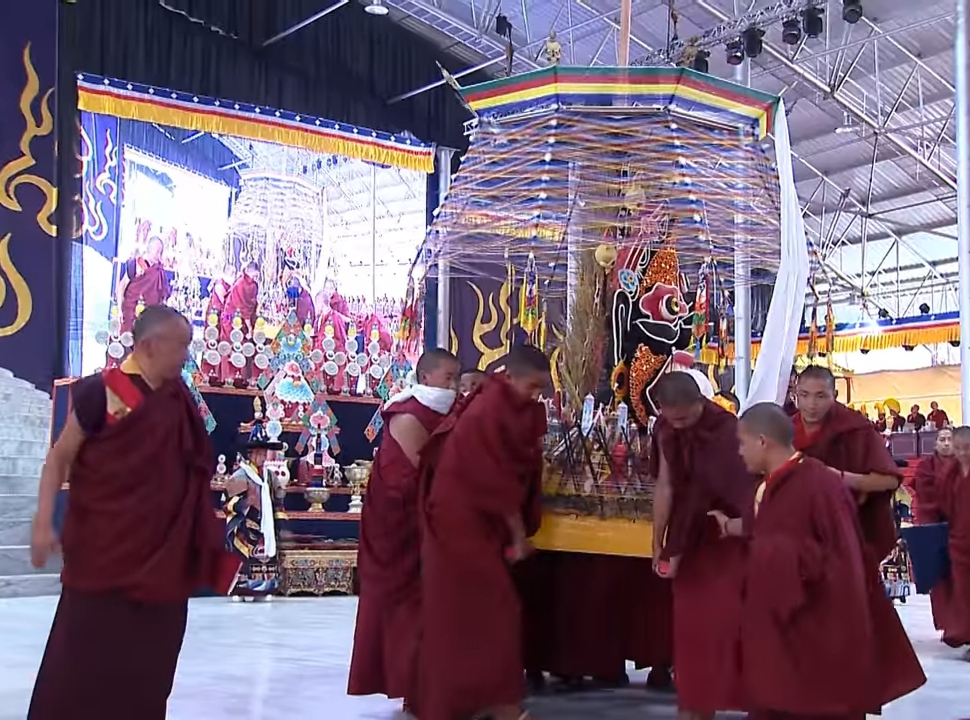
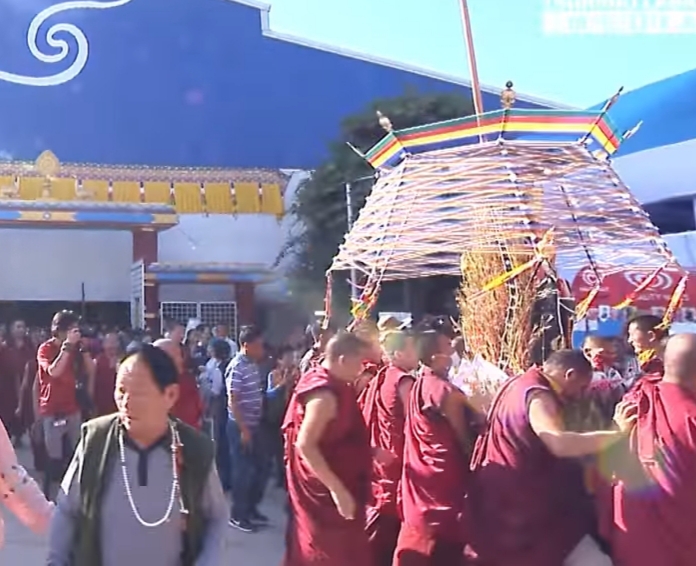
Namkha at Kagyu Monlam
Torma with namkha taken off the stage
Namkha outside Pavilion
Effigy and torma carried out of the Monlam Pavilion

The monks then bring the construction to a nearby field, where a tall pile of clean hay has been prepared. The effigy is thrown on the pile and quickly burned, as a symbol of cleansing negativity.
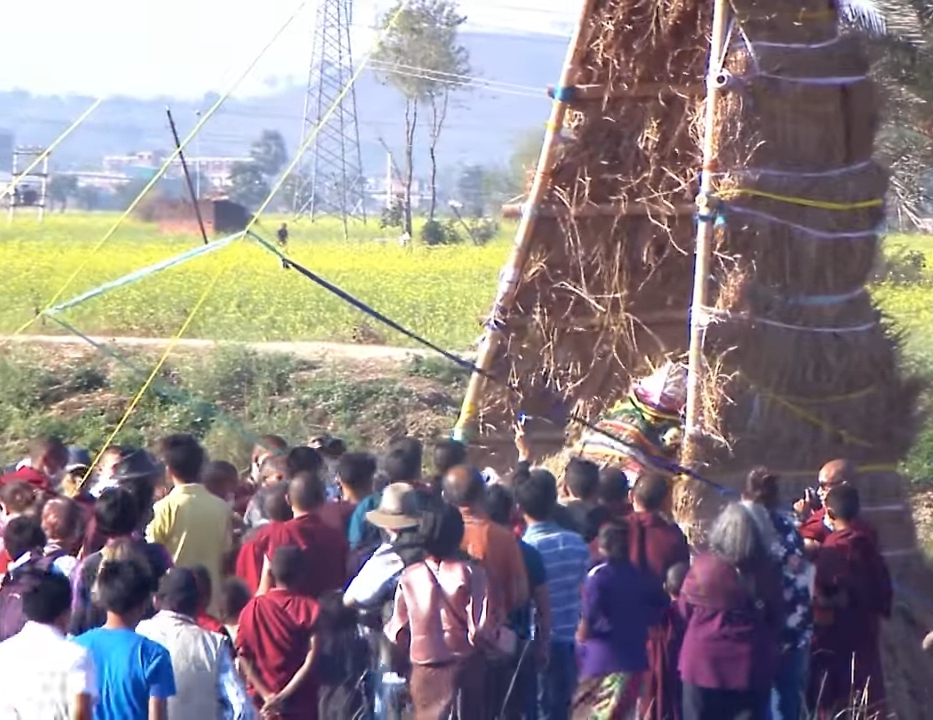
Namkha discarded
The torma and namkha discarded on a pile of hay for burning.

 During the so-called torma attack, the accumulation of negativity and obstacles ‘trapped’ in the effigy is destroyed. 

Namkha burned
The effigy containing entrapped negative energy is incinerated and negativity purified.

Negativity released in that way, the ceremony inside the pavilion gradually bears to an end, and everyone may now start looking forward to the New Year’s festivities!

Namkha is an ancient Tibetan tradition of weaving the threads of five colours into a ritual object or a protection amulet. Explore my website to learn more: Research / Overview

Read more about the ceremony on the Kagyu Monlam website

Photos in this post are sourced from the following videos:

Related:
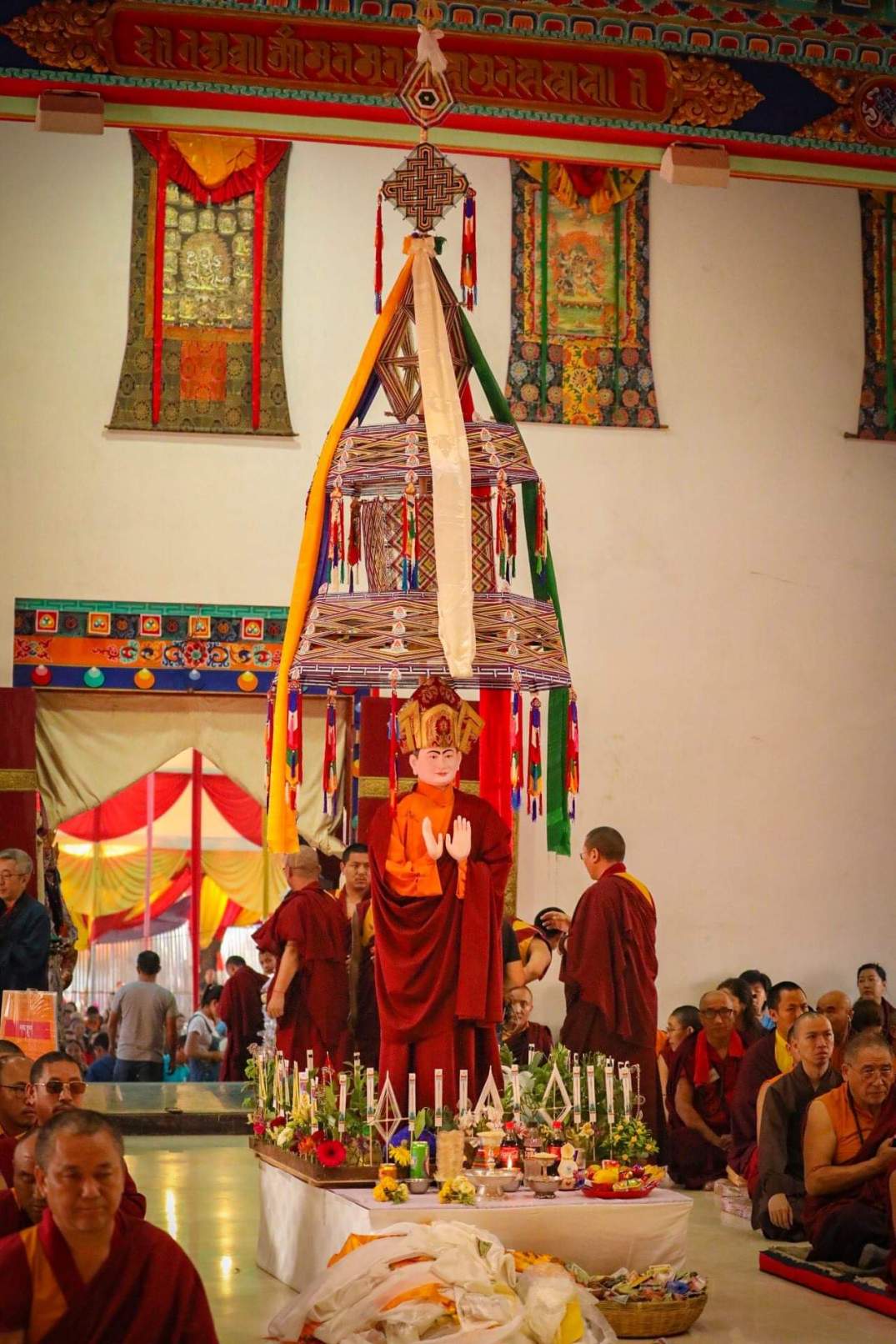
Monks build the Gutor Namkha at Losar

Namkha at Shechen

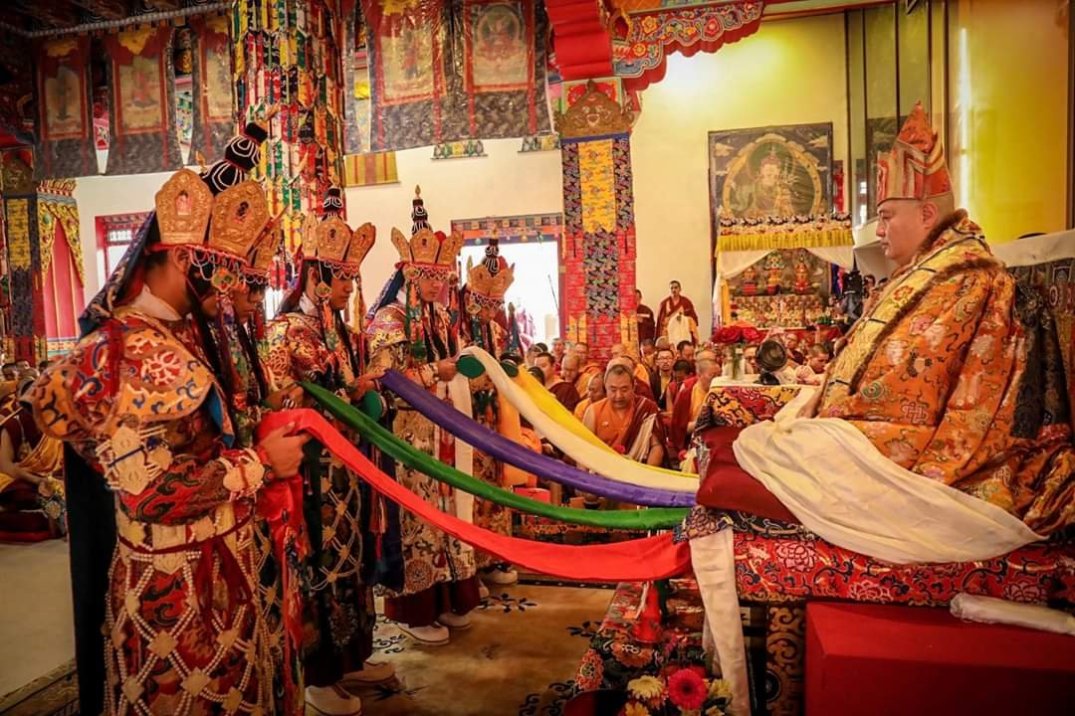
April 29, 2019 was the conclusion day of the historic public transmission of Nyingthik Tsapöd and the entire works of Künkhyen Jigme Lingpa and Dza Paltrul Rinpoche, which had taken place over the 17 days at the Shechen Monastery in Kathmandu, Nepal.

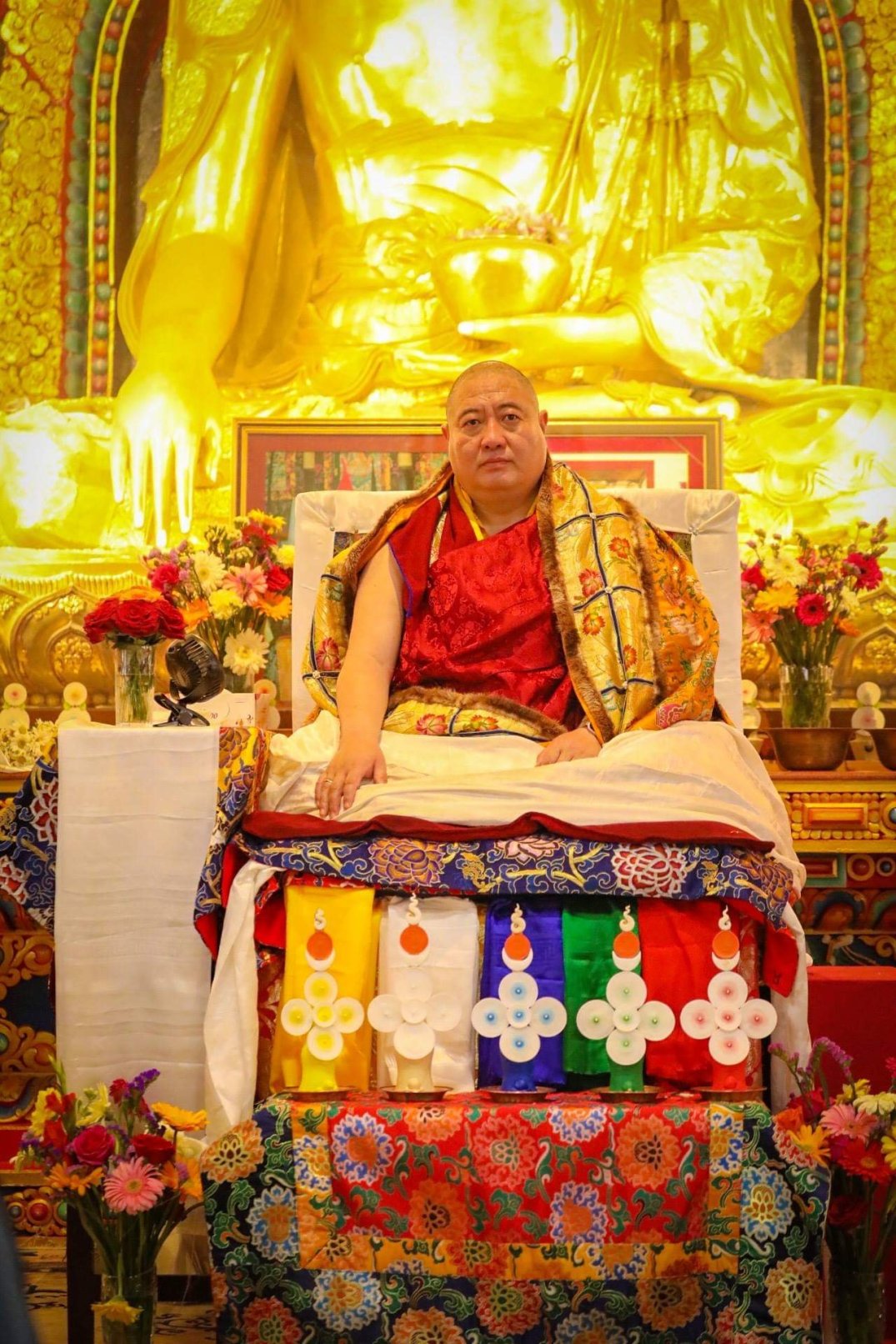
This day was dedicated to expressing gratitude to Shechen Rabjam Rinpoche for his immense kindness in imparting this precious transmission. It included a mandala offering and the longevity ceremony of Khandro Sundok (Averting the Calls of Dakinis) Sadhana, suplicating Kyabje Rinpoche to remain firm with good health and long life for the benefit of Dharma and all of sentient beings.

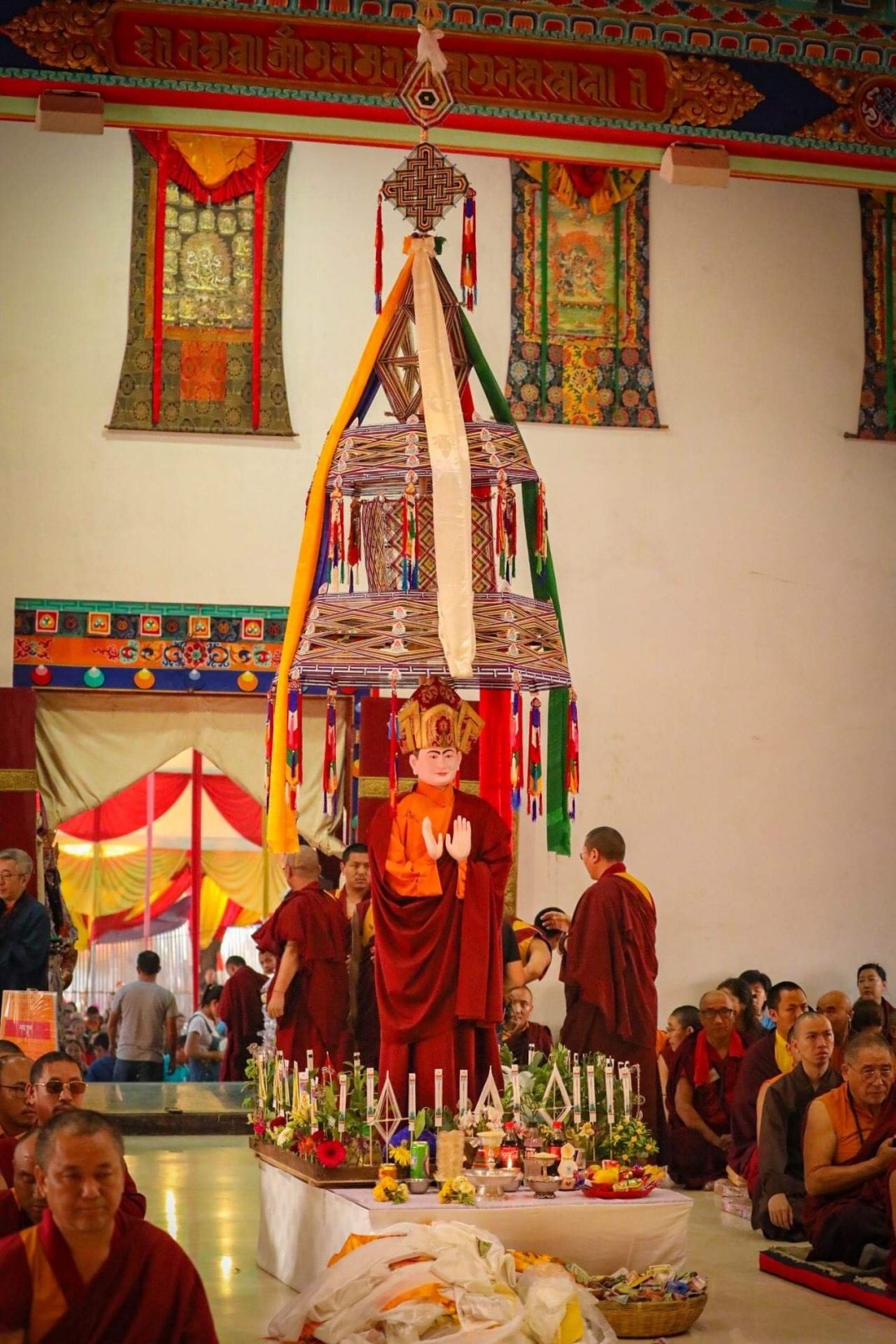
A complex namkha was constructed for the ritual. A life-like effigy represented the body while the woven construction imbued with the 5 elements represented Rinpoche’s life energy. The whole structure was ritually offered to remove obstacles to Rinpoche’s life.

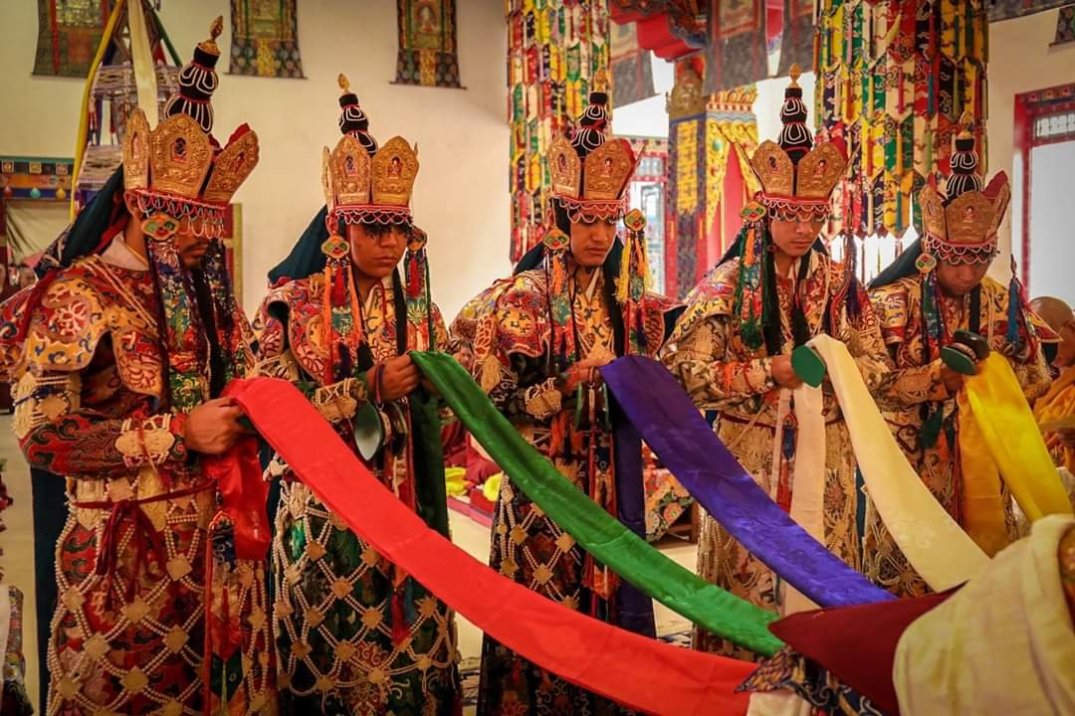
The ritual dance of the Five Dakinis was a way to enact the actual blessing of Rinpoche by the five sacred energies: space, air, fire, water and earth, in their respective colours of blue, green, red, white and yellow.

When the life of a Tibetan Buddhist master might be nearing its end, Dhakinis come to escort him/her out of this life. In this case, the Sangha took the opportunity of this auspicious occasion to carry out this ritual for Rinpoche.

The namkha and the effigy are taken out of the temple to be discarded, considered accepted by the potential obstructors, who are thus satisfied and demotivated to cause harm to Rinpoche.

Sechen Rabjam Rinpoche having received the Tenshug – long-life ritual

Photo: Shechen Monastery Nepal

Read more about Namkhas of Tibet

Namkha at Losar

In the past few days, Tibetan Buddhist monks have been busy creating a huge namkha as part of the Tibetan New Year rituals.

Losar time, 29th day of 12th Tibetan month


Gutor is an important event that closely precedes Losar, the Tibetan New Year. I witnessed this ritual twice in Namdroling. The monks work for several days preparing for this elaborate ritual. Some prepare tormas, some practice lama dances and others prepare the namkha. The offering items are arranged in the temple and empowered by chanting and visualization practice by hundreds of monks lined up sitting in the temple. Two days before Losar, the main item, gegtor, a huge torma made of flour, is ceremoniously taken out of the temple and ushered by the monks to a nearby field outside the monastery wall. (See more photos of this on my other blog here). There, the ceremony continues with more chanting and lama dances. In the end, the offerings are thrown away or burnt. The energies of the old year thus considered cleaned away and the spirits appeased, the Losar festivities are free to begin.

Gutornamkha1

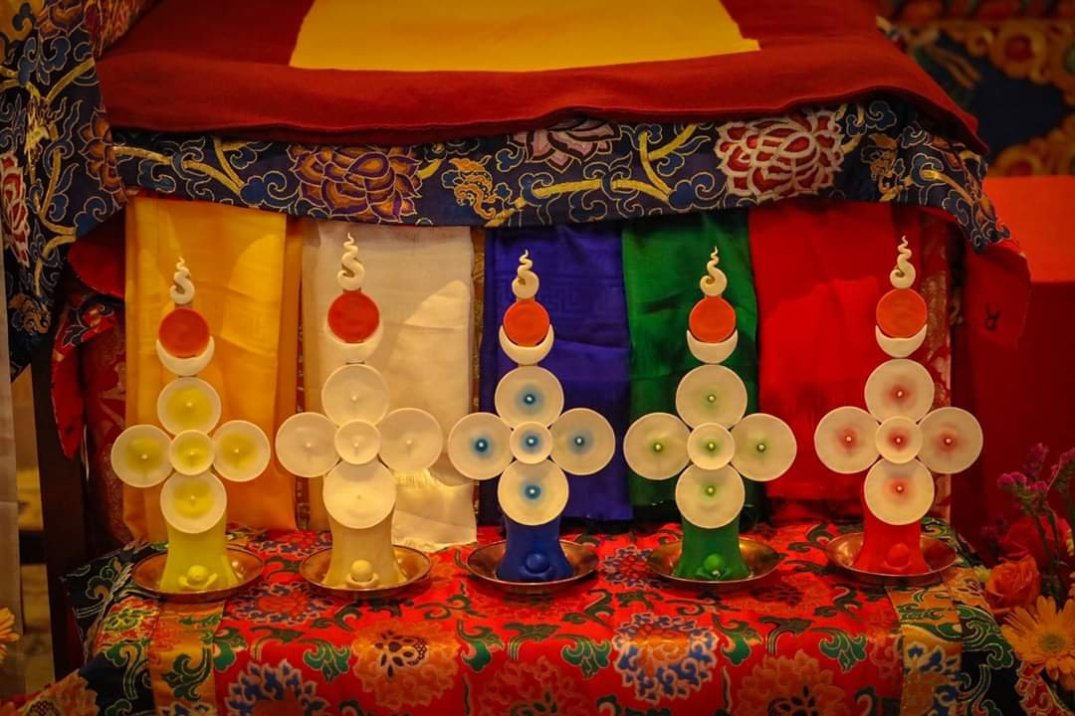
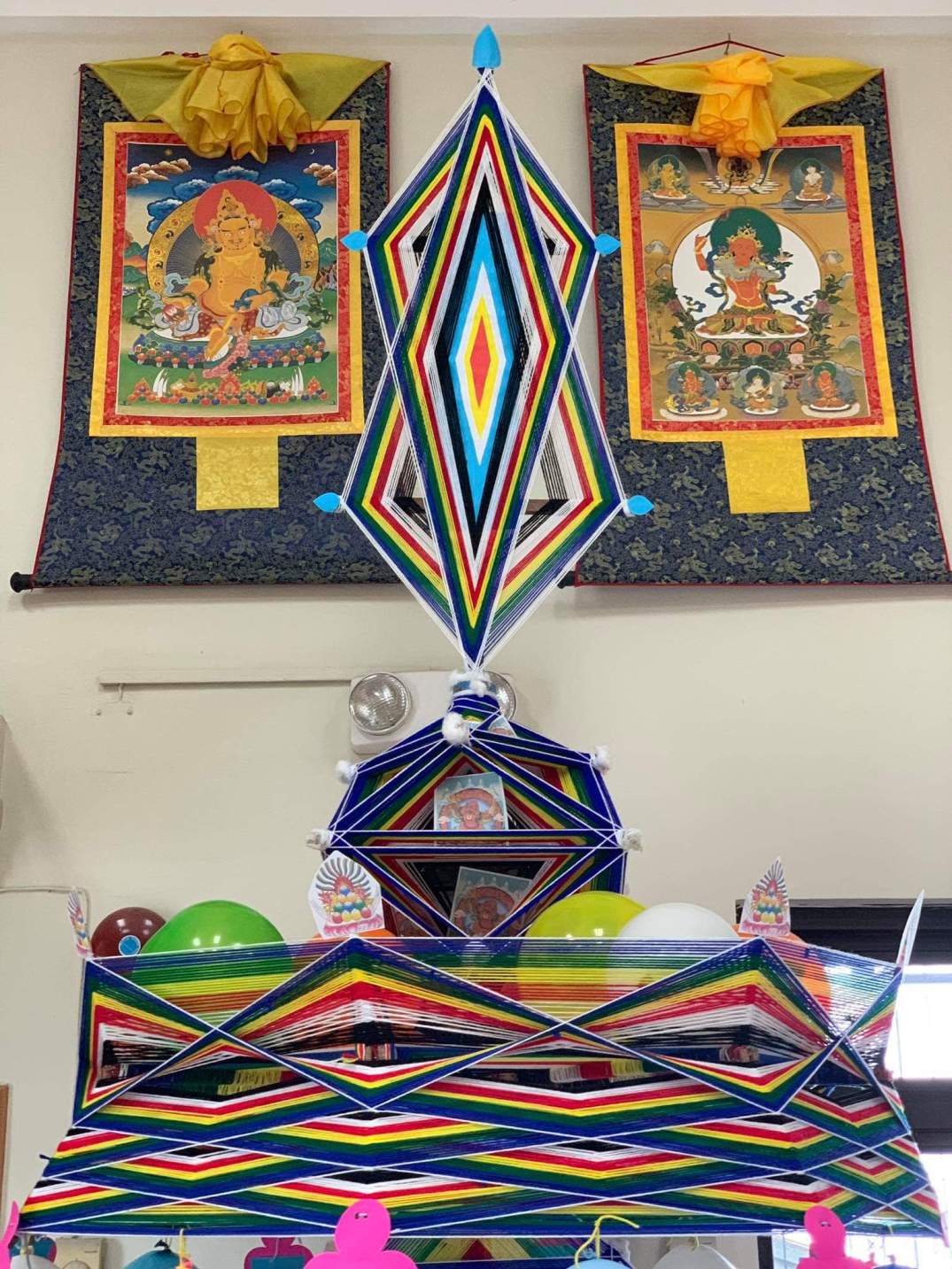
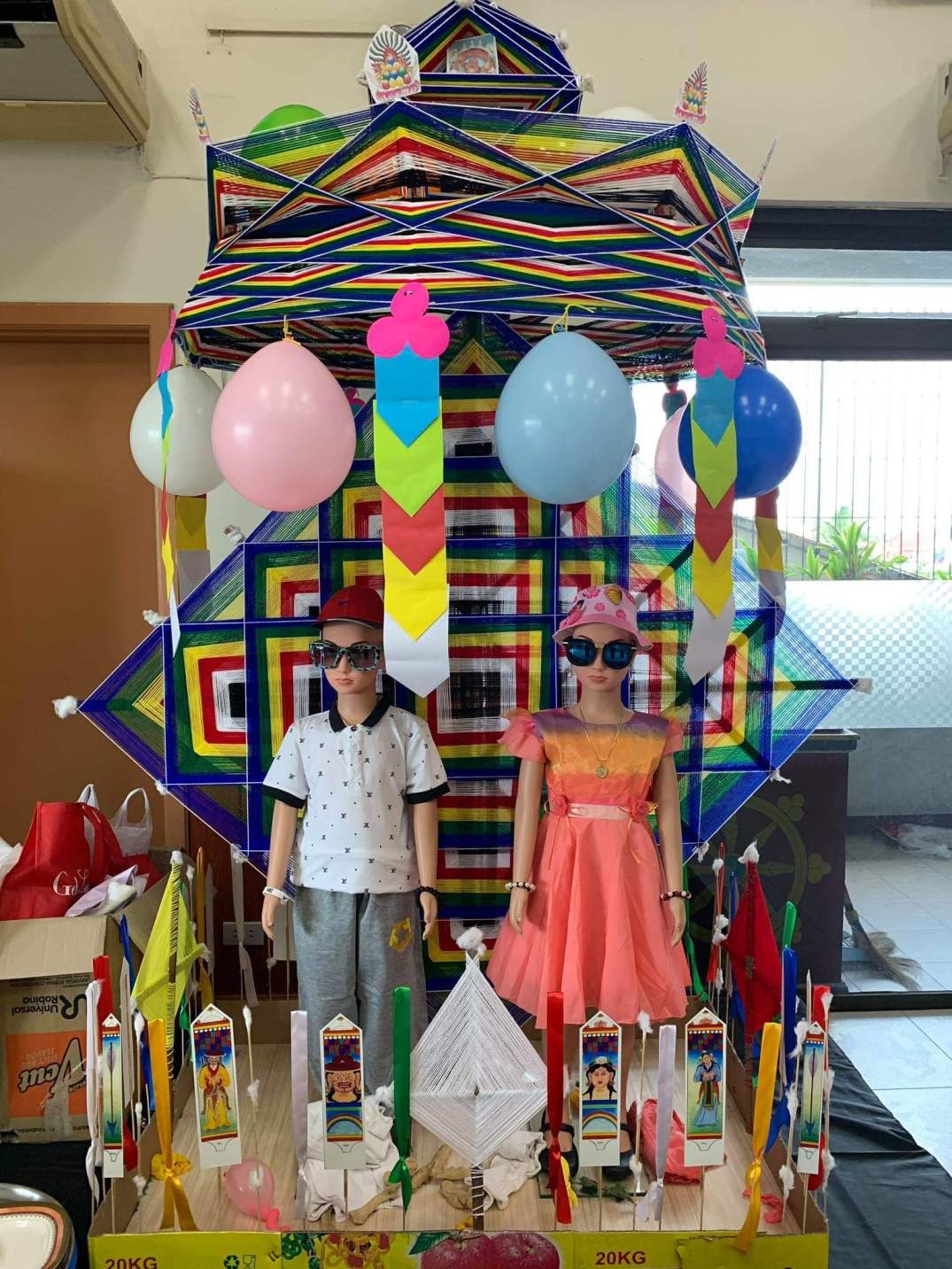
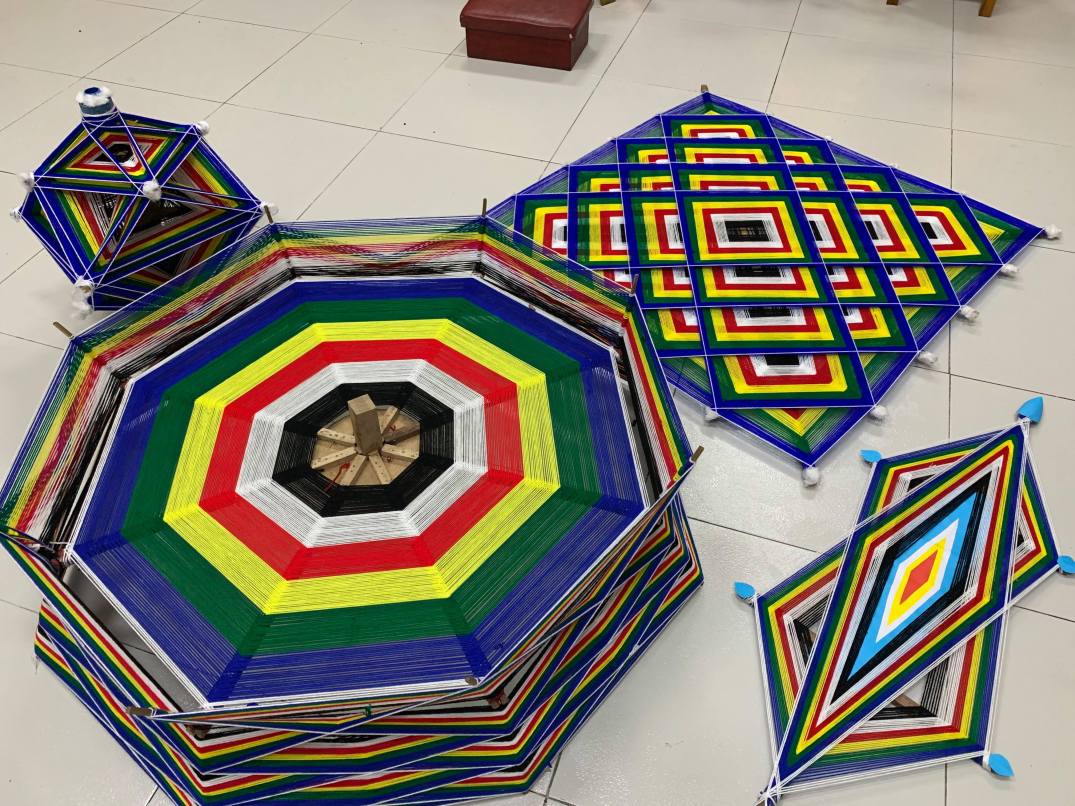
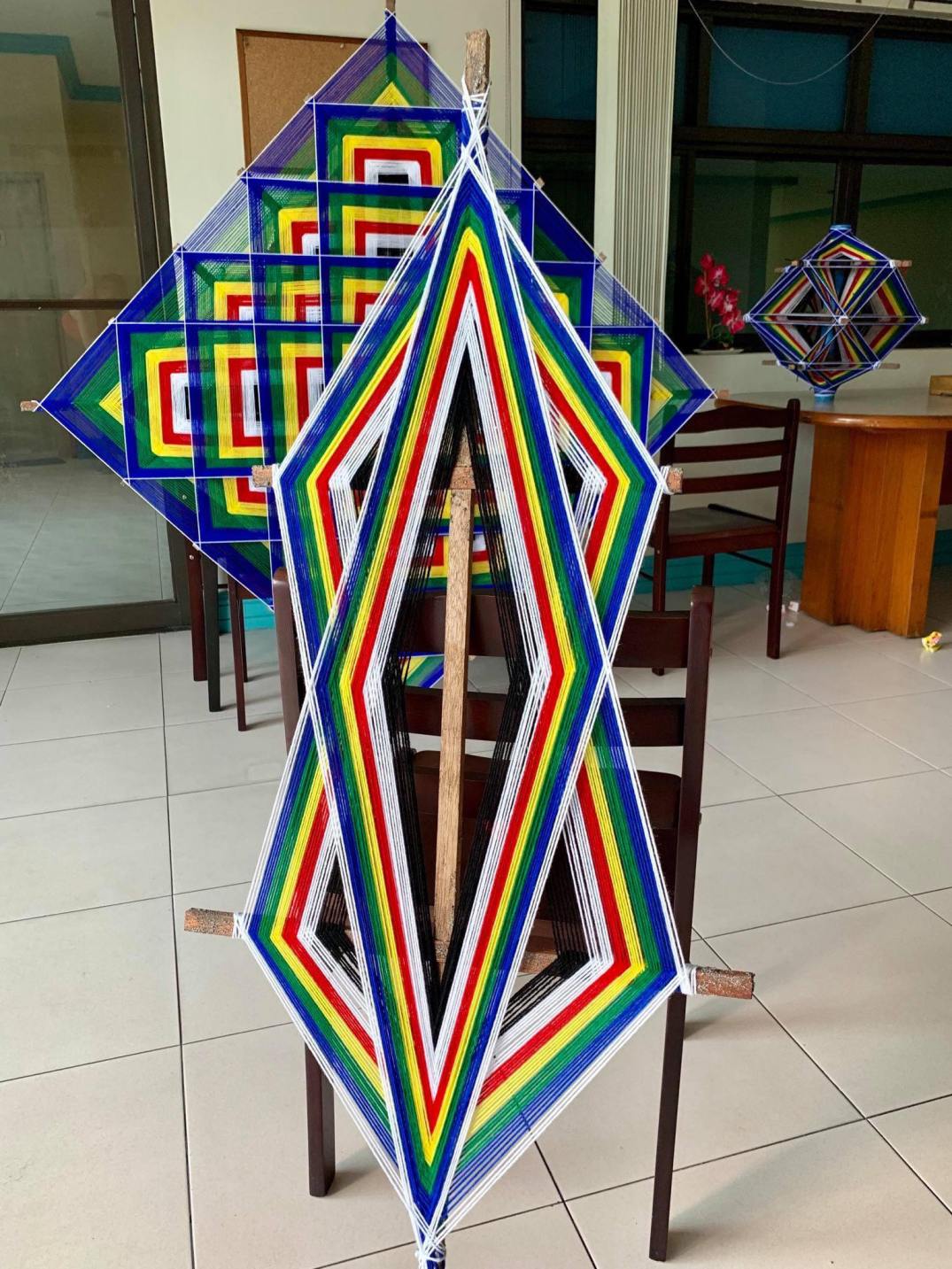
Namkha are thread cross constructions made with coloured strings. They are part of a display called dö [mdos], which includes namkha and other symbolic representations.

Gutor has been the same every year for centuries. Like any Tibetan Buddhist practice, it closely follows a prescribed step-by-step procedure written in ancient Buddhist texts called terma and no deviation is favoured. Creativity is bound by the sacred limits of the revered scriptures. The procedure for constructing of the “gutor” namkha, for example, is described in the Ratna Lingpa terma and is part of the Lü (Naga) offering ritual. The Lü are important beings to be on good terms with.

ratnalingpanamkhaparts.jpg


The namkha is constructed specifically as an offering to the Lü for prosperity and fortune in the coming New Year.


The shapes, colour-sequences and the whole procedure follow the description in the treasure text of Ratna Lingpa from 14th century.

ratnalingpanamkha

This is a fine example of a namkha thread cross of the Tibetan Buddhist tradition, and we are fortunate to be able to see these rare photos courtesy to my dear friend, Lama Tsultrim Palyul of Namdroling monastery, who supervised the construction of this particular namkha at the Palyul Centre in the Phillipines for Gutor this year (2019). The photos are used with his kind permission.